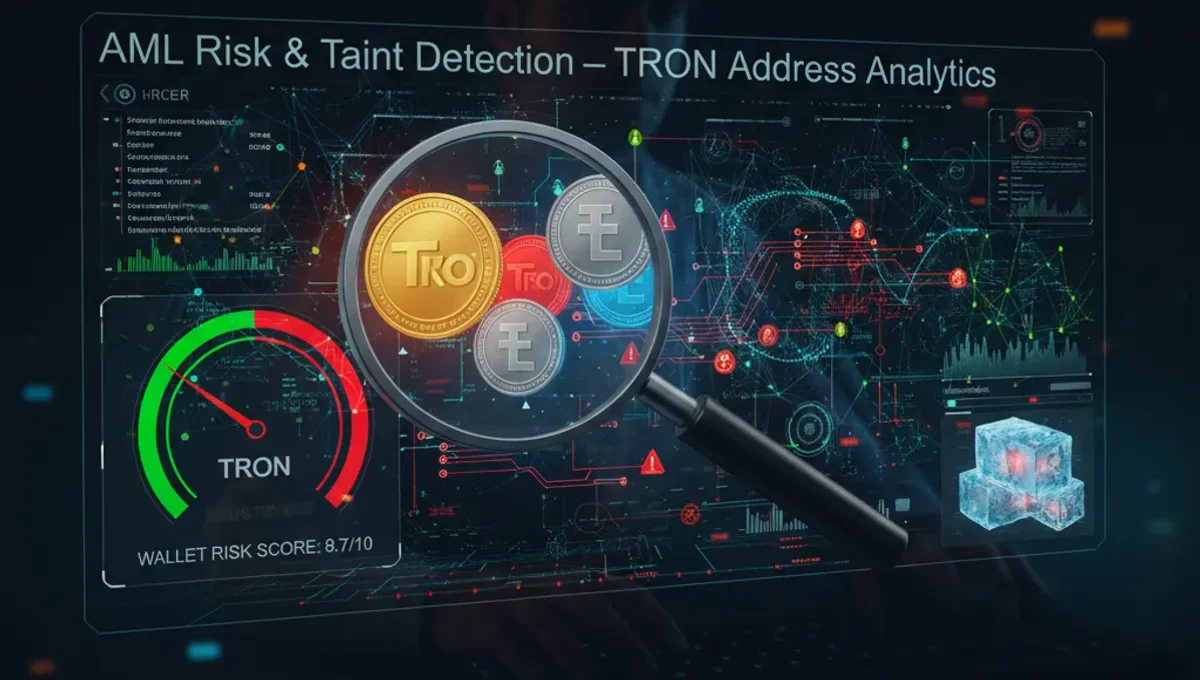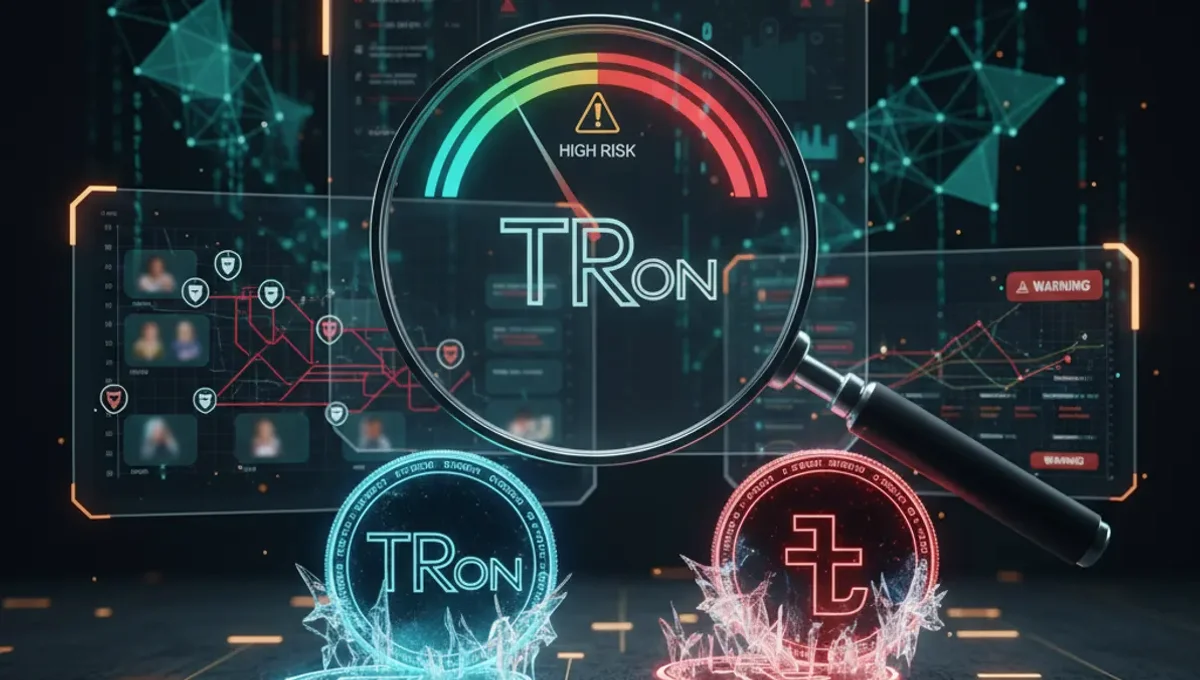
What Is a TRON Address and Why Check It?
A TRON address is a unique identifier on the TRON blockchain, formatted as a 34-character string starting with 'T' (e.g., T1234567890abcdefghijklmnopqrstuvwx). Every TRX token and USDT on TRON (TRC20) moves through these addresses. Checking a TRON address means querying its transaction history, balance, and risk profile to understand where funds came from and whether they are associated with illicit activity. Exchanges, custodians, and compliance teams perform TRON address checks to screen for stolen funds, mixer activity, darknet market exposure, and sanctioned entities. A single transaction from a compromised wallet can flag your entire account, leading to frozen balances or account closure. Proactive TRON address checking protects you before you accept deposits.
How to Check a TRON Address: Step-by-Step
To check a TRON address for risk, follow these steps:
- Obtain the full TRON address (starts with 'T', 34 characters).
- Visit a trusted AML screening service listed on our verified AML Services page.
- Paste the address into the lookup field.
- Review the AML risk score, transaction history, and any flags (darknet, mixer, sanctions, stolen funds).
- Check the risk level: green (low), yellow (medium), or red (high).
- If flagged, review the specific risk categories and transaction sources.
- Decide whether to accept the transfer based on your compliance threshold.
Most services return results in seconds. Some provide detailed transaction graphs showing fund flow and counterparty risk. For high-value transfers or business accounts, cross-reference multiple services to confirm findings. Our curated list of verified AML services on this site includes tools that specialize in TRON address checking with real-time blockchain data.
What Does a TRON Address Meaning Tell You About Risk?
The TRON address itself is just an identifier—it holds no inherent meaning. The risk comes from the transaction history attached to that address. An AML check reveals what that address has done: whether it received funds from mixers (services that obscure transaction trails), darknet markets, gambling platforms, or known theft incidents. A TRON address check also shows the age of the wallet, transaction frequency, and balance concentration. New addresses with sudden large inflows from high-risk sources carry elevated risk. Addresses with long, clean transaction histories and legitimate counterparties typically score low. The meaning of a TRON address is determined entirely by its on-chain behavior. This is why checking a TRON wallet address before accepting deposits is essential—the address itself is neutral, but its history is not.
Understanding TRON Address AML Risk Scores
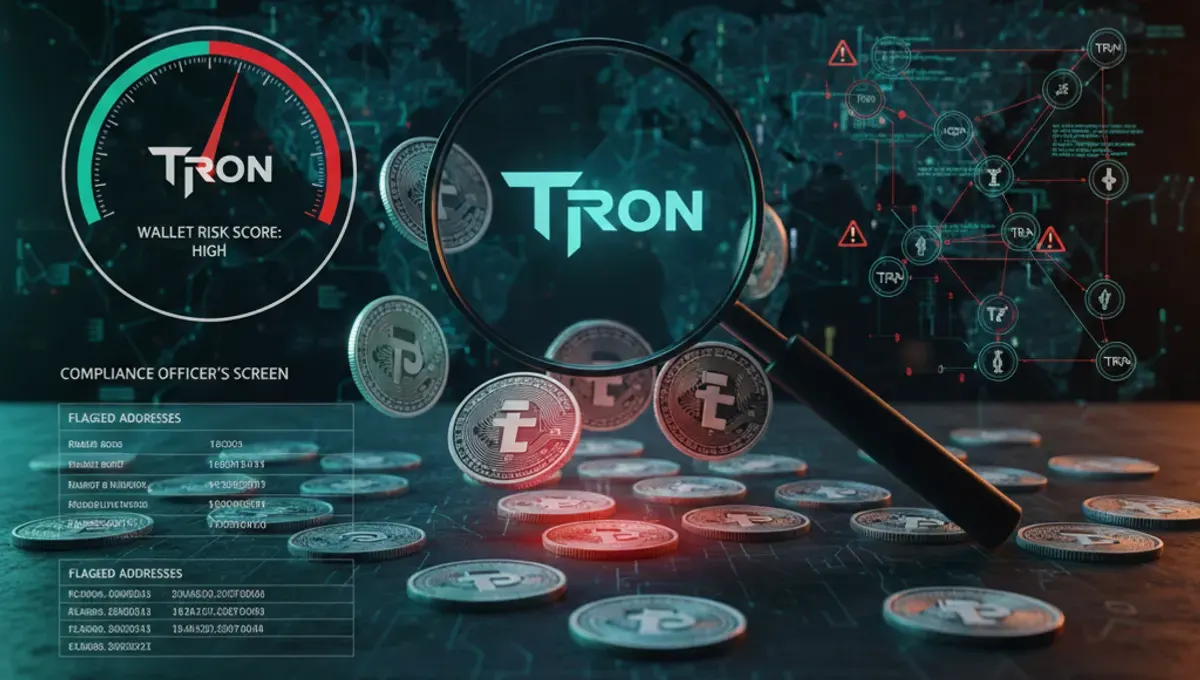
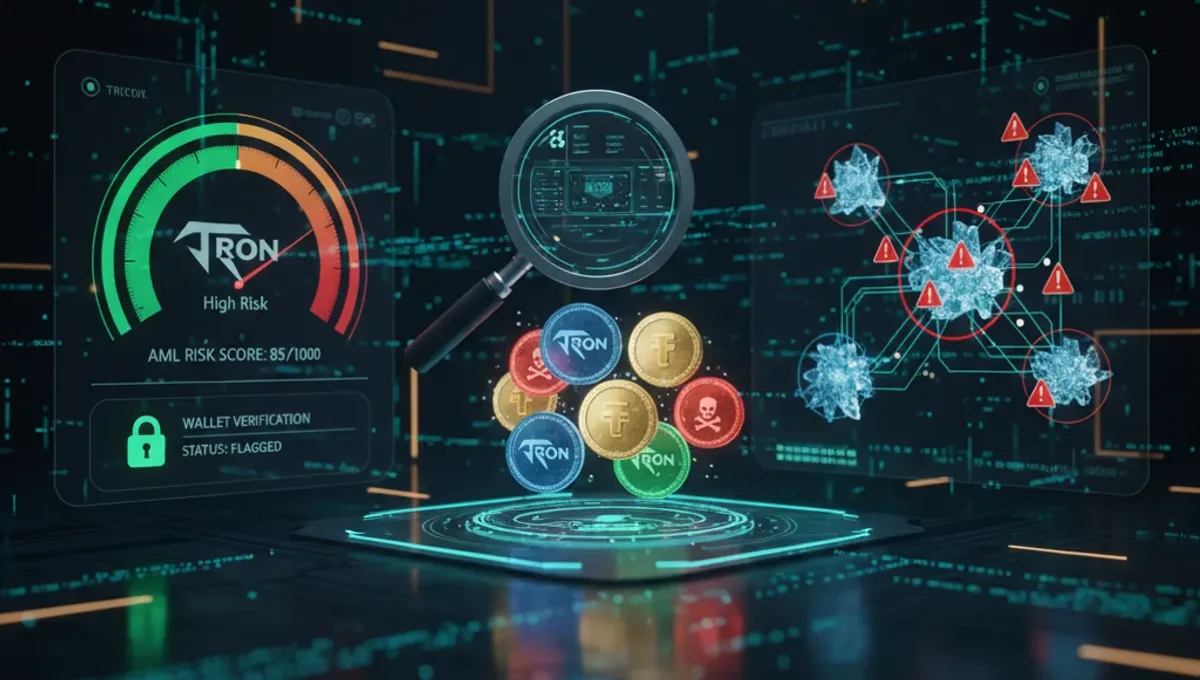
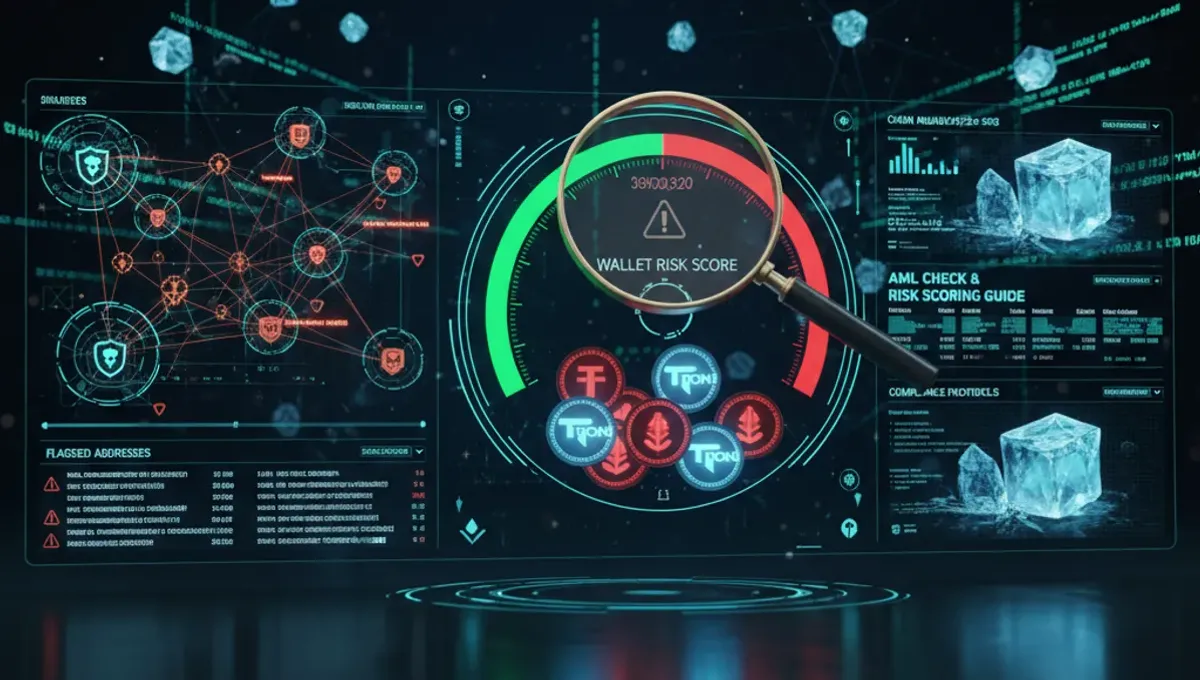
An AML risk score for a TRON address is a numerical or categorical rating (often 0–100 or low/medium/high) that summarizes the likelihood of illicit activity. Risk scores are calculated by analyzing:
- Transaction sources: funds from mixers, darknet, or sanctioned entities increase risk.
- Counterparty reputation: transfers from known theft incidents or scams raise flags.
- Behavioral patterns: rapid fund movement, large sudden inflows, or dormant-then-active wallets suggest suspicious activity.
- Sanctions and regulatory lists: addresses linked to sanctioned jurisdictions or entities score high.
- Darknet exposure: any connection to known darknet markets elevates risk.
Low-risk scores (typically 0–20) indicate clean transaction history and legitimate sources. Medium-risk scores (20–60) suggest some exposure to higher-risk activity but not conclusive evidence of illicit intent. High-risk scores (60+) warrant caution and deeper investigation. Most exchanges freeze USDT or TRX transfers from addresses scoring above 70. Your acceptable threshold depends on your compliance policy and business model.
Common TRON Address Risk Flags and What They Mean
When you check a TRON address, you may see specific risk flags:
- Mixer exposure: funds passed through a service designed to obscure transaction trails, increasing anonymity risk.
- Darknet market connection: address received or sent funds to known darknet marketplace addresses.
- Stolen funds: address received cryptocurrency from a confirmed theft or hack.
- Sanctions violation: address is linked to a sanctioned jurisdiction, entity, or individual.
- Gambling platform: funds originated from or moved to gambling services, flagged by some compliance teams.
- Scam association: address is tied to a known Ponzi scheme, rug pull, or fraud.
- High-risk exchange: funds came from an unregulated or high-risk exchange.
A single flag does not always mean the address is malicious—context matters. A one-time mixer transaction years ago may carry less weight than recent darknet activity. Use flags as a starting point for investigation, not an automatic rejection. Verified AML services on our site provide detailed flag explanations and transaction timelines to help you make informed decisions.
How to Avoid Receiving Tainted TRON or USDT
Protecting yourself from tainted coins requires a simple workflow:
- Before accepting any TRON address transfer, run a TRON address check through a trusted AML service.
- Set a risk threshold for your business (e.g., reject any address scoring above 50).
- Review the specific flags and transaction sources, not just the score.
- If the address is flagged for darknet, mixer, or theft, reject the transfer.
- For borderline cases, request additional information from the sender or delay acceptance pending further review.
- Document all checks and decisions for compliance audits.
- Use the same process for both TRX and USDT (TRC20 tokens) transfers.
Exchanges and custodians that skip TRON address checks risk frozen accounts, regulatory fines, and reputational damage. Receiving tainted USDT can trigger automatic account holds, even if you were unaware of the coin's history. Proactive checking is the only reliable defense. Our AML Services page lists verified tools that integrate TRON address checking into your deposit workflow.
What Happens If Your TRON Address Is Flagged?
If your TRON address receives a high-risk AML score or is flagged for illicit activity, several outcomes are possible:
- Exchange account freeze: your balance may be locked pending investigation.
- Withdrawal restrictions: you may be unable to move funds for days or weeks.
- Account closure: the exchange may terminate your account and return funds after compliance review.
- Regulatory reporting: the exchange may file a Suspicious Activity Report (SAR) with authorities.
- Reputational damage: your address may be added to internal or industry blacklists.
If this happens, contact the exchange or service immediately. Provide documentation of the transfer source and your compliance efforts. If you received funds unknowingly from a compromised address, explain the circumstances. Some exchanges will clear flags after investigation; others may permanently restrict your account. The best defense is to check TRON addresses before accepting transfers. If you are the sender and your address is flagged, work with the receiving party to verify your legitimacy and provide transaction documentation.
Frequently asked questions
How do I check if a TRON address is safe?
Use a trusted AML screening service to run a TRON address check. Paste the address into the lookup tool and review the risk score, transaction history, and flags. Look for darknet exposure, mixer activity, theft connections, or sanctions violations. A low risk score and clean transaction history indicate a safe address. Cross-reference multiple services for high-value transfers.
What does a TRON address checker do?
A TRON address checker scans the blockchain to analyze the transaction history, balance, and risk profile of any TRX or USDT wallet. It flags illicit activity such as darknet exposure, mixer usage, stolen funds, and sanctions violations. The tool returns an AML risk score and detailed transaction graph to help you decide whether to accept or reject a transfer.
Can I look up a TRON address for free?
Yes, basic TRON address lookups are available on public blockchain explorers like Tronscan, which show transaction history and balance. However, free explorers do not provide AML risk scoring or illicit activity detection. For comprehensive AML checking, you need a paid service. Our AML Services page lists verified tools offering free trials or tiered pricing for TRON address checks.
What is a TRON address and how is it formatted?
A TRON address is a unique 34-character identifier on the TRON blockchain, always starting with the letter 'T' (e.g., T1234567890abcdefghijklmnopqrstuvwx). It represents a wallet or smart contract on TRON. Every TRX token and USDT (TRC20) transfer uses TRON addresses as sender and receiver endpoints. The address itself is neutral; risk comes from the transaction history attached to it.
What risk score should I accept for a TRON address?
Most exchanges reject TRON addresses scoring above 70. For your own transfers, set a threshold based on your compliance policy: low-risk (0–20) is safe; medium-risk (20–60) warrants review; high-risk (60+) should be rejected unless you have strong justification. Always review specific flags, not just the score. Darknet or theft flags warrant rejection regardless of score.