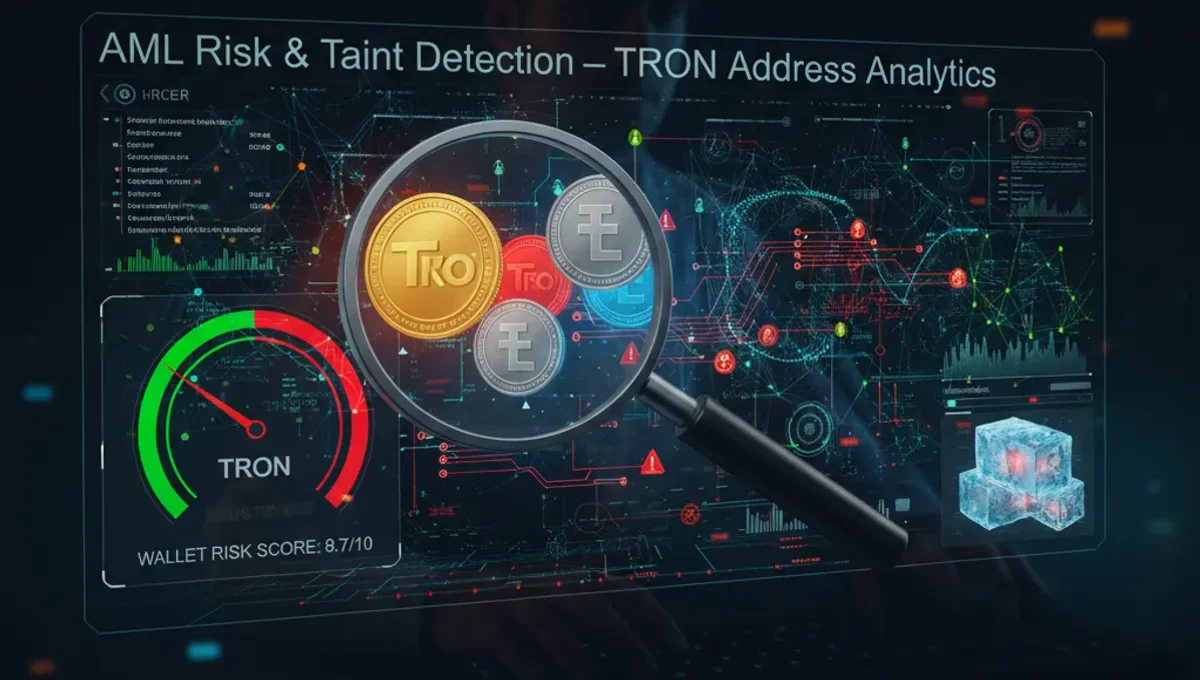
What Is a Tron Address and Why Check It?
A Tron address is a unique identifier on the Tron blockchain, typically a 34-character string starting with 'T'. It functions like a bank account number for TRX tokens and TRC20 assets such as USDT. Checking a Tron address means running it through an AML (anti-money laundering) screening tool to identify whether the wallet has received or sent funds linked to theft, darknet markets, sanctions lists, or other illicit activity. Exchanges and custodians freeze USDT and TRX wallets flagged as high-risk, so verifying an address before a transaction protects you from receiving tainted coins. A Tron address lookup reveals the wallet's transaction history, connected entities, and compliance risk level.
How Does AML Scoring Work for Tron Addresses?
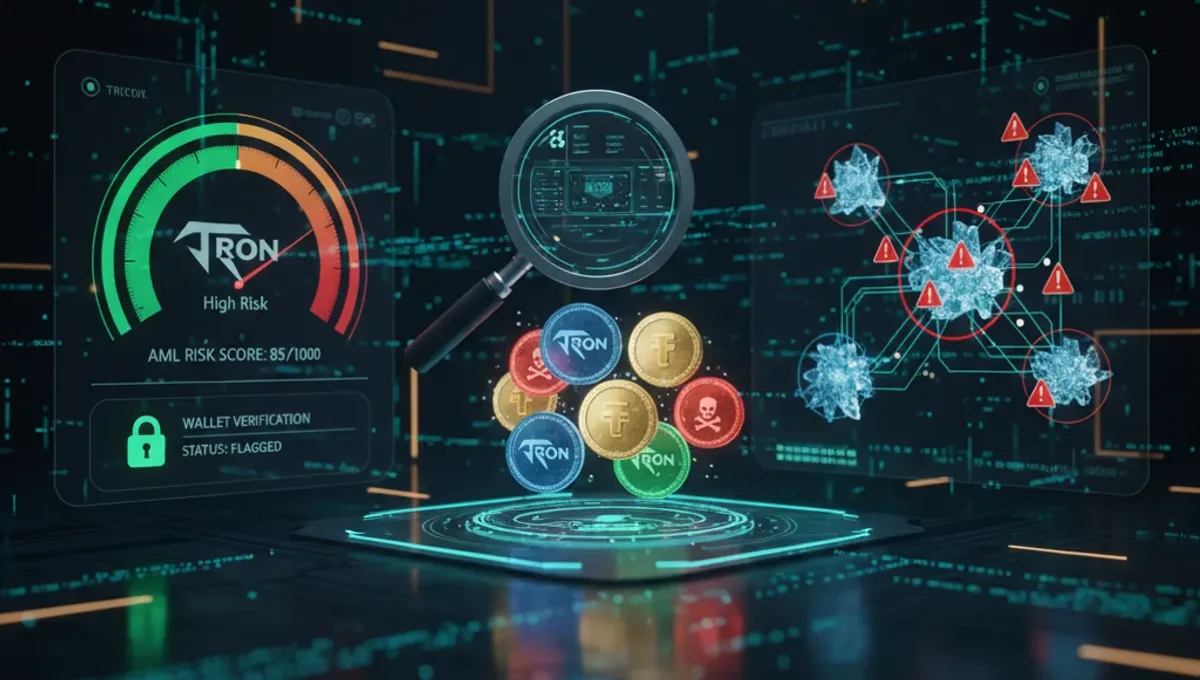
AML scoring assigns a numerical risk rating to a Tron wallet based on blockchain transaction analysis. The scoring system examines whether the address has received funds from known risk sources: cryptocurrency mixers, darknet marketplaces, theft proceeds, gambling platforms, or sanctioned entities. Each transaction is traced backward through the blockchain to identify the source. Addresses with no flagged connections receive low risk scores; those with multiple links to illicit activity receive high scores. Risk thresholds vary by exchange and regulator, but scores are typically categorized as low (0–20), medium (21–50), high (51–80), or critical (81–100). A Tron address check uses this scoring to determine whether the wallet is safe for business transactions.
Step-by-Step: How to Check a Tron Address
To check a Tron address for AML risk, follow these steps:
- Copy the Tron address (34 characters, starting with 'T') from the wallet or transaction.
- Visit a verified AML service listed on our curated AML Services page—these tools are trusted by exchanges and compliance teams.
- Paste the address into the search field.
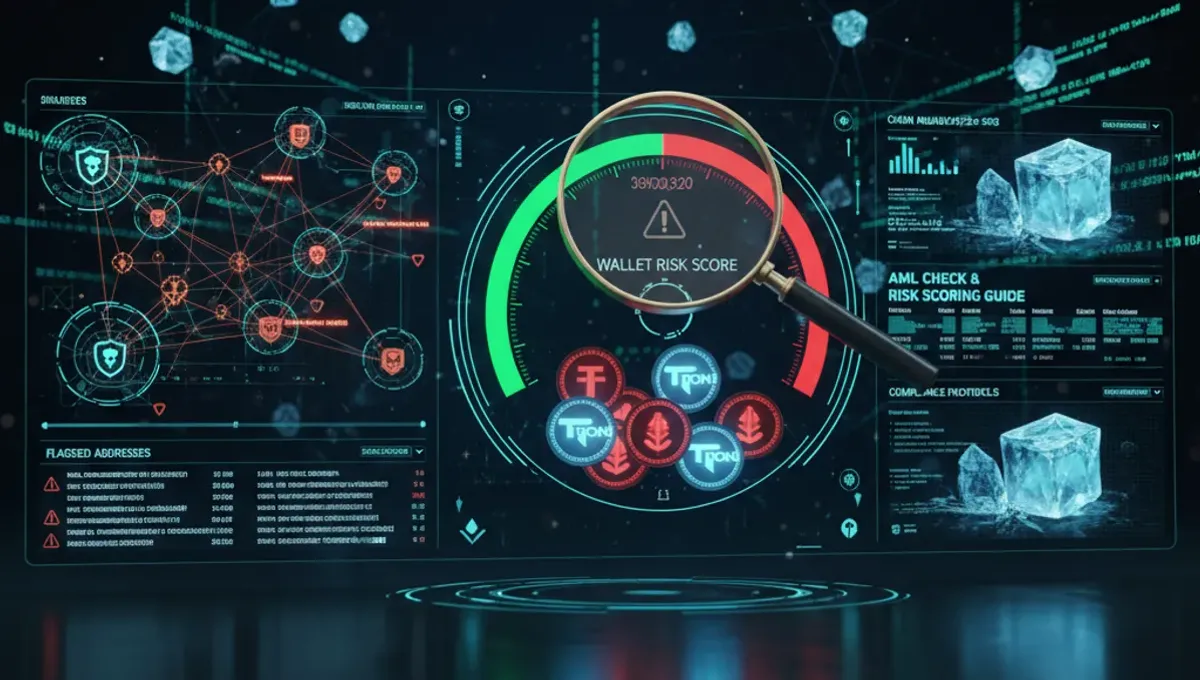
- Review the risk score and detailed report, which shows transaction history, connected entities, and flagged risk categories (mixers, darknet, sanctions, etc.).
- Check the risk level: low-risk addresses are safe for standard transactions; medium-risk may require additional due diligence; high or critical risk should be avoided or escalated to compliance.
- If checking a USDT address on Tron, note that the same address holds both TRX and TRC20 tokens, so the risk assessment applies to both.
Most AML services provide instant results and downloadable reports for compliance records.
Understanding Tron Address Risk Score Levels
Risk scores on a Tron address checker are interpreted as follows:
Low Risk (0–20): Address has clean transaction history with no detected links to illicit activity. Safe for standard business and personal transactions.
Medium Risk (21–50): Address has received funds from sources flagged as moderate risk, such as gambling platforms or unverified exchanges. Acceptable for most transactions but may trigger additional exchange review.
High Risk (51–80): Address shows connections to mixers, darknet markets, or stolen funds. Many exchanges will freeze USDT or TRX sent to or from this address. Avoid unless you can verify the source.
Critical Risk (81–100): Address is directly linked to sanctions violations, known theft, or active darknet operations. Exchanges will block transactions. Receiving funds here can result in account bans and regulatory investigation.
Your own acceptable threshold depends on your compliance requirements. Retail users typically accept low to medium risk; institutional buyers require low risk only.
What Happens If Your Tron Address Is Flagged?
If a Tron address check shows a high or critical risk score, several consequences may follow:
Exchange Freezes: Centralized exchanges detect flagged addresses during deposit or withdrawal. They may freeze the USDT or TRX indefinitely pending compliance review.
Account Suspension: Your exchange account may be suspended or closed if you deposit flagged funds, even if you did not know the source was tainted.
Regulatory Inquiry: In jurisdictions with strict AML enforcement, receiving sanctioned or stolen funds can trigger government investigation.
Reputational Risk: If you send funds to a flagged address, your own wallet may be marked as associated with high-risk activity.
If your address is flagged, contact the exchange support team with documentation of the legitimate source. Some flags are false positives or outdated. However, if the flag is valid, the funds may not be recoverable, and you should cease using that address for transactions.
Common Risk Categories in Tron Address Checks
AML services flag Tron addresses based on these risk categories:
Mixers: Cryptocurrency tumblers that obscure transaction origins. Funds from mixers are considered high-risk because the source is intentionally hidden.
Darknet Markets: Addresses linked to known darknet marketplaces for illegal goods. These are flagged as critical risk.
Theft and Scams: Addresses that received stolen funds or proceeds from Ponzi schemes and rug pulls. Flagged as high to critical risk.
Sanctions: Addresses owned by or connected to sanctioned entities, countries, or individuals. Flagged as critical risk and often frozen by exchanges.
Gambling: Addresses with high transaction volume to gambling platforms. Flagged as medium to high risk depending on jurisdiction and exchange policy.
Unverified Exchanges: Addresses associated with unregulated or low-compliance exchanges. Flagged as medium risk.
A Tron address lookup will specify which categories apply, helping you assess the actual risk level.
Best Practices for Safe Tron Transactions
To avoid receiving tainted coins and frozen USDT or TRX:
Always check before receiving: Use a Tron address checker on our AML Services page before accepting a large transfer. Instant verification takes seconds and prevents costly mistakes.
Verify the sender: Ask the sender for their wallet address and check it first. If they refuse or the address is flagged, decline the transaction.
Use reputable exchanges: Deposit and withdraw only through exchanges with strong AML compliance. They screen addresses on your behalf.
Keep records: Save AML check reports for all significant transactions. This documentation protects you if a regulator questions the source of funds.
Understand your threshold: Know your compliance requirements. Retail users can accept medium-risk addresses; businesses should accept low-risk only.
Monitor your address: Periodically check your own Tron address to ensure no unexpected flagged transactions have arrived. Some AML services offer monitoring alerts.
These practices reduce the risk of account freezes and regulatory complications.
Frequently asked questions
What does a Tron address checker do?
A Tron address checker scans a wallet address on the Tron blockchain to detect AML risk, tainted coins, darknet exposure, and sanctions violations. It assigns a risk score based on transaction history and connected entities, helping you decide whether to receive or send funds to that address.
How do I check a Tron address for AML risk?
Copy the Tron address (starts with 'T'), visit a verified AML service from our curated list, paste the address into the search field, and review the risk score and report. Most services provide instant results showing transaction history, risk categories, and compliance flags.
What risk score is safe for Tron addresses?
Low-risk scores (0–20) are safe for all transactions. Medium-risk (21–50) is acceptable for most users but may trigger exchange review. High-risk (51–80) and critical-risk (81–100) should be avoided; exchanges often freeze these addresses.
Can I receive USDT on a flagged Tron address?
You can receive USDT on a flagged address, but exchanges may freeze the funds during deposit or withdrawal if the address is high or critical risk. Receiving flagged funds can also result in account suspension. Always check the address before accepting large transfers.
Why do exchanges freeze Tron wallets?
Exchanges freeze USDT and TRX wallets flagged as high or critical AML risk to comply with anti-money laundering regulations. Flagged addresses are linked to theft, darknet activity, sanctions, or mixers. Frozen funds may not be recoverable without compliance review.