What Is an AML Check and Why It Matters for Crypto
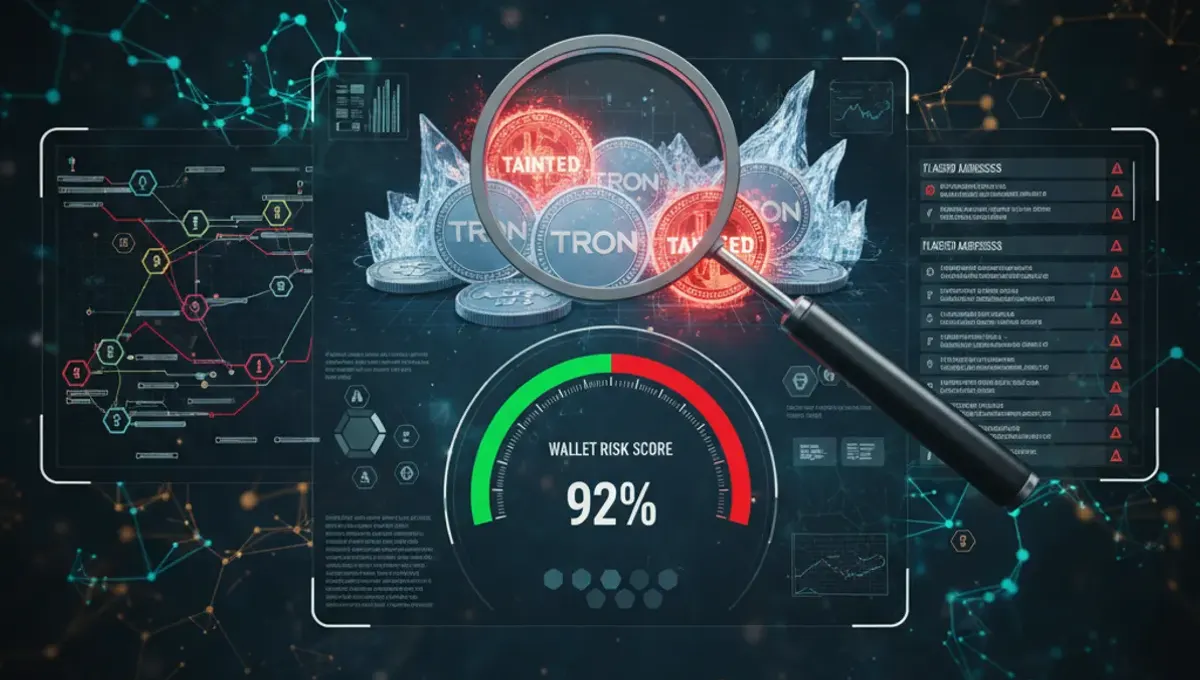
AML stands for Anti-Money Laundering. An AML check for crypto wallets scans blockchain transaction history to flag wallets linked to high-risk activity. These checks detect exposure to darknet markets, mixing services, stolen funds, sanctioned entities, gambling platforms, and scams. When you receive crypto from an unknown source, that wallet may carry reputational risk—if it's flagged as tainted, exchanges may freeze your account or reject deposits. Major exchanges enforce KYC (Know Your Customer) and KYT (Know Your Transaction) rules that can block or seize funds tied to dirty crypto. Running an AML check before accepting payments protects you from compliance violations and account lockouts.
How AML Scoring and Risk Detection Works
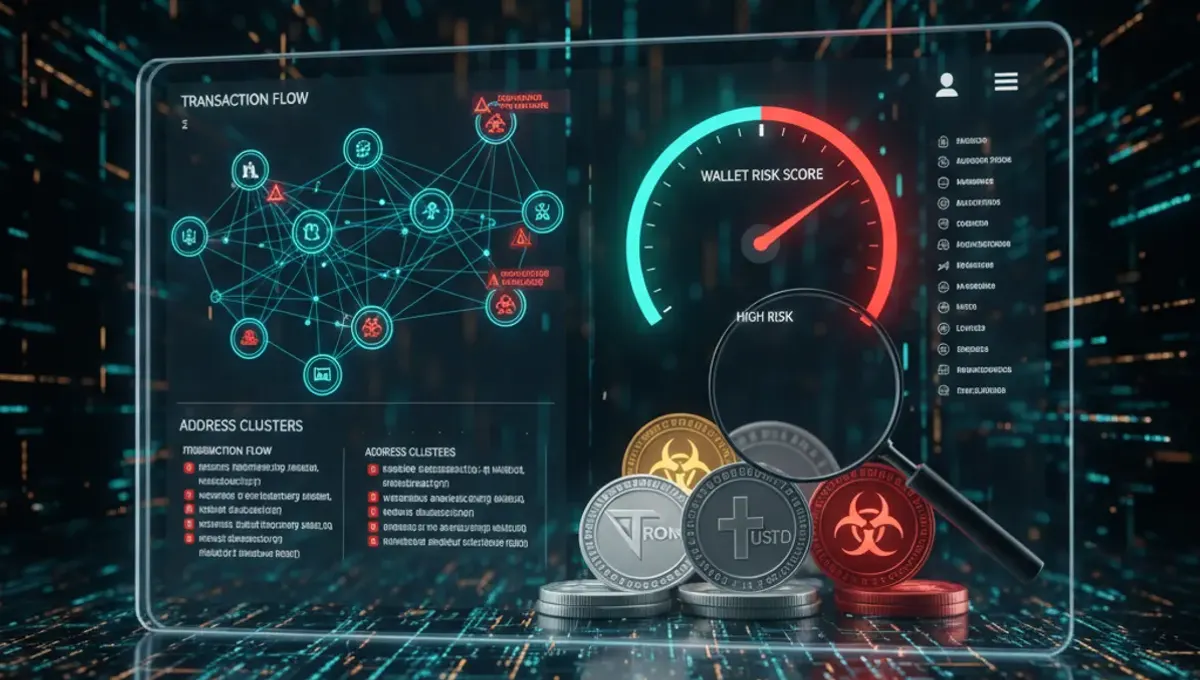
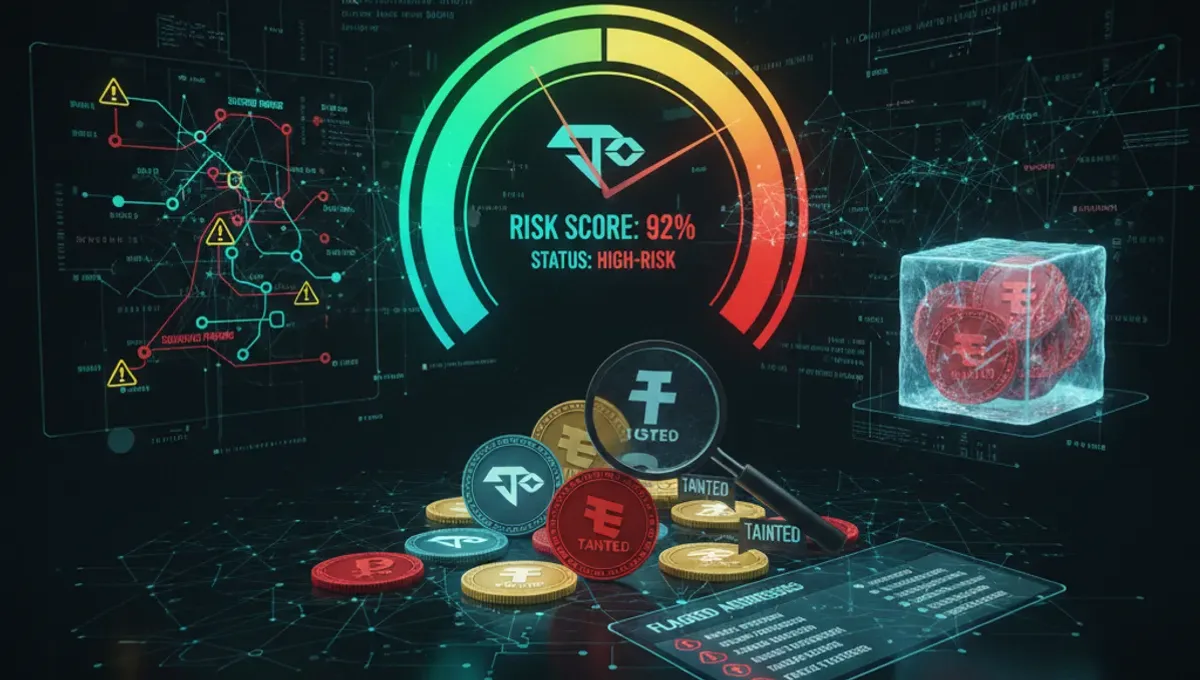
An AML check produces a risk score—typically a numerical rating or risk level (low, medium, high, critical)—based on wallet behavior. The scoring process examines: transaction patterns, counterparty wallets, historical fund sources, and exposure to known risk categories. Blockchain analytics platforms maintain databases of addresses linked to mixers, darknet markets, ransomware, and sanctions lists. When your wallet receives funds from a flagged address, your risk score increases. A wallet with direct mixer exposure or recent darknet market activity will score higher than one with clean peer-to-peer transaction history. Risk thresholds vary by exchange and jurisdiction, but generally scores above 70–80 are considered high-risk and may trigger account reviews or freezes.
Step-by-Step: How to Check a Crypto Wallet with AML Check
To run an AML check on a wallet address:
- Copy the wallet address (TRX, USDT, BTC, or ETH).
- Visit a trusted AML check service—our curated AML Services page lists verified providers with transparent pricing and methodologies.
- Paste the address into the search field.
- Select the blockchain network (Tron for TRX/USDT, Bitcoin for BTC, Ethereum for ETH).
- Submit the scan and wait for results (typically instant to a few seconds).
- Review the risk score, flagged transactions, and exposure categories.
- Check the transaction history and counterparty details to understand the risk.
Most services show a summary risk level, detailed breakdown of risk factors, and a list of flagged addresses in the wallet's transaction chain. Some services charge per scan; others offer free checks with limited detail. Starting with the trusted services on our AML Services page ensures you get reliable, compliant screening.
AML Check Requirements and What Data Is Analyzed
An effective AML check requires access to blockchain data and risk intelligence databases. The service must analyze: wallet age, transaction frequency, fund sources, counterparty reputation, and exposure to known risk categories (mixers, darknet, sanctions, gambling, scams, stolen funds). Regulatory compliance demands that AML checks align with FATF (Financial Action Task Force) guidelines and local anti-money laundering laws. The check should flag wallets with direct or indirect exposure to illicit activity, not just isolated transactions. A comprehensive AML check also cross-references addresses against sanctions lists and known criminal wallets. The process is non-invasive—it only examines public blockchain data, not personal information. Results should be delivered with clear explanations of why a wallet scored high or low, so you can make informed decisions about accepting or rejecting payments.
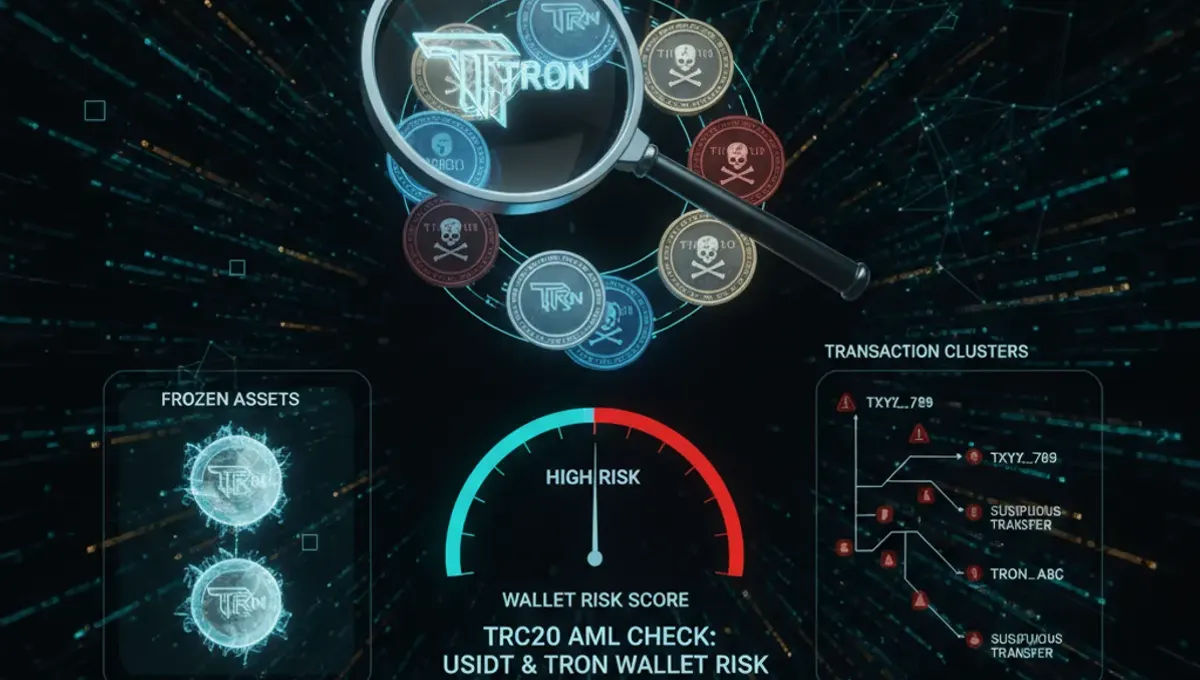
AML Check Process for USDT and TRX Addresses
USDT (Tether) and TRX (Tron) are high-volume networks where tainted coin risk is significant. To check a USDT or TRX address:
- Identify the blockchain: USDT exists on Tron, Ethereum, and other chains; ensure you select the correct network.
- Paste the TRC20 address (for Tron-based USDT/TRX) or the Ethereum address into the AML check tool.
- Review the risk score and transaction history.
- Look for red flags: recent mixer activity, darknet market connections, or sudden large inflows from flagged wallets.
- Check the age of the wallet and whether it has been dormant or actively trading.
Tron addresses are popular targets for mixing and illicit activity due to low fees and speed. A USDT or TRX wallet with high mixer exposure or recent darknet connections should be treated as high-risk. If you're receiving USDT or TRX from a counterparty, always run an AML check first—frozen USDT on exchanges is common when funds are traced to illicit sources.
Understanding Risk Score Levels and What They Mean
Risk scores typically range from 0–100 or are labeled as Low, Medium, High, or Critical. Here's what each level usually indicates:
- Low (0–20): Clean transaction history, no flagged counterparties, minimal mixer or darknet exposure.
- Medium (21–50): Some exposure to higher-risk wallets or services, but no direct illicit connections.
- High (51–80): Direct or recent exposure to mixers, darknet markets, or flagged entities; significant compliance concern.
- Critical (81–100): Active darknet market involvement, ransomware, sanctions violations, or stolen funds.
Exchanges typically accept Low and Medium scores without friction. High scores may trigger manual review or account restrictions. Critical scores often result in account freezes or fund seizures. The acceptable threshold depends on your risk tolerance and regulatory environment. If you're a business or regulated entity, aim for scores below 30. For personal use, scores below 50 are generally safe, but anything above 70 warrants investigation before accepting the funds.
What to Do If Your Crypto Is Flagged as Tainted or Dirty
If an AML check reveals your wallet or received funds are flagged as tainted:
- Do not panic—a flag doesn't mean you broke the law; it means the funds have a risky history.
- Investigate the source: trace back where the funds came from and why they were flagged.
- Document your due diligence: keep records of the AML check, the risk score, and your investigation.
- If the funds are from a legitimate source, contact the exchange or service that flagged them and provide evidence.
- Consider moving the funds to a clean wallet if the risk is acceptable, or reject the payment if the risk is too high.
- Avoid using mixers or exchanges that may compound the taint—this can trigger regulatory scrutiny.
- If you're a business, report the incident to your compliance officer and consider filing a Suspicious Activity Report (SAR) if required by law.
Exchanges may freeze accounts with flagged funds pending investigation. If this happens, respond promptly with documentation and cooperate with compliance teams. Transparency and clear records are your best defense.
Frequently asked questions
How much does an AML check cost?
AML check fees vary by service. Some providers offer free basic checks with limited detail; others charge per scan (typically $1–$10) or offer monthly subscriptions. Premium services with detailed reports and API access cost more. Check our AML Services page for transparent pricing from verified providers.
Can I do a free AML check on a crypto wallet?
Yes, some services offer free AML checks with basic risk scores and limited transaction history. Free checks are useful for quick screening but may lack detailed analysis. Paid checks provide more comprehensive reports. Start with free options to assess risk, then upgrade if needed.
What happens if I receive USDT from a high-risk wallet?
If you receive USDT from a high-risk wallet, your exchange account may flag or freeze the funds pending review. You could face account restrictions or be asked to explain the source. Always run an AML check before accepting USDT from unknown sources to avoid compliance issues.
How do I check if a TRX address is safe?
Paste the TRX address into an AML check tool, select the Tron network, and review the risk score and transaction history. Look for mixer exposure, darknet connections, or flagged counterparties. Low scores indicate safe addresses; high scores warrant caution or rejection.
What is a good AML risk score for crypto?
A good AML risk score is typically below 30 (Low risk). Scores between 30–50 are acceptable for most personal use. Scores above 70 are high-risk and should be avoided unless you have clear documentation of the fund source. Regulatory requirements vary by jurisdiction and institution.