What Is an AML Fee and Why Does It Exist
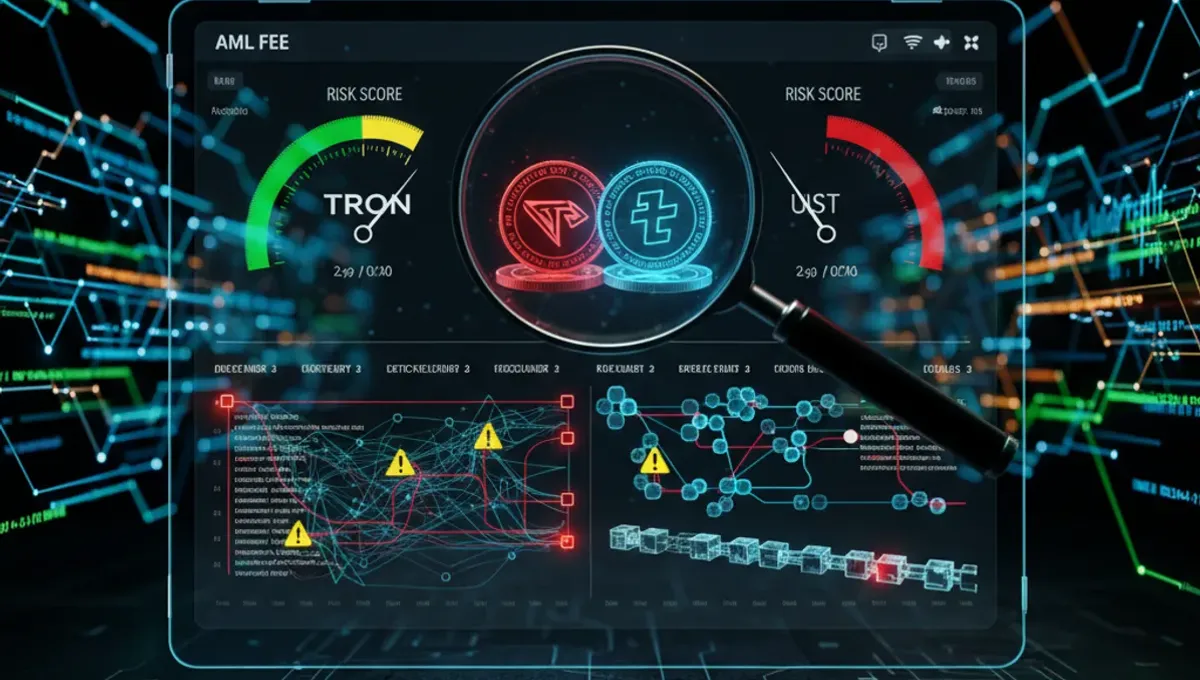
An AML fee covers the operational cost of running blockchain analytics infrastructure, maintaining sanctions lists, and updating risk databases. When you request an AML check on a TRX, USDT, or BTC address, the service must cross-reference transaction history against known darknet markets, mixer services, stolen fund registries, and sanctioned entity lists. This real-time screening requires continuous data ingestion and computational resources. Providers charge fees to sustain these operations and fund ongoing compliance research. The fee structure varies: some services charge per check, others offer monthly subscriptions, and enterprise clients negotiate custom pricing based on volume and integration requirements.
Common AML Check Fee Models in Crypto
Crypto AML services use three primary fee structures. Pay-per-check pricing charges a fixed amount for each wallet scan, typically ranging from a few dollars to tens of dollars depending on data depth and address type. Monthly subscription plans offer unlimited checks within a tier, suited for traders, exchanges, and compliance teams who screen wallets regularly. Enterprise licensing bundles API access, custom reporting, and dedicated support at negotiated rates. Some platforms offer a free tier with basic AML check functionality but limited results, while premium tiers unlock full risk scoring, transaction history analysis, and darknet exposure detection. Choose based on your screening volume: occasional users benefit from pay-per-check, active traders from subscriptions, and institutions from enterprise agreements.
AML Check Fee Comparison: What You Get at Each Price Point
Free or freemium AML checks typically return a basic risk score and flag obvious high-risk indicators like direct mixer or darknet market links. Mid-tier paid checks (usually $5–$20 per scan) provide detailed transaction history, tainted coin detection, sanctions list matching, and exposure scoring across multiple blockchains including TRX and USDT. Premium plans ($50+ per check or $200–$500 monthly subscriptions) include behavioral analysis, cluster identification, historical risk tracking, and custom alert rules. Enterprise tiers add API integration, white-label options, and compliance reporting tailored to regulatory requirements. Before selecting a service, assess your actual needs: casual users may find free checks sufficient, while exchanges and custodians require comprehensive AML check process capabilities with audit trails and regulatory compliance documentation.
How to Evaluate AML Check Requirements Before Paying
Before committing to an AML fee, clarify your screening scope. Ask yourself: How many wallets do I check monthly? Do I need real-time monitoring or one-time screening? Which blockchains matter most (BTC, ETH, TRX, USDT)? What risk threshold triggers action in my workflow? Document these requirements to match them against service offerings. Many providers offer free trials or demo accounts—use these to test whether their AML check requirements align with your compliance framework. Review their data sources: reputable services integrate official sanctions lists, law enforcement databases, and blockchain forensics. Check whether they cover your target assets; some services excel at Bitcoin but offer limited TRX or USDT analysis. Verify that their risk scoring methodology matches your risk tolerance and regulatory obligations.
AML Check Fee for Tron and USDT Addresses
Screening TRX and USDT addresses often costs the same as Bitcoin checks, though some services charge slightly less for Tron due to lower transaction complexity. USDT exists on multiple blockchains (Ethereum, Tron, Polygon, others), so comprehensive USDT screening may require multi-chain analysis, potentially increasing the AML check fee. Tron-specific risks include exposure to gambling platforms and certain mixer services prevalent on the network. When evaluating AML check crypto pricing for these assets, confirm that the service covers TRC20 token transfers, not just native TRX transactions. Some budget-friendly services offer bundled checks across multiple addresses or blockchains at a discount. If you regularly receive USDT or TRX, a monthly subscription typically offers better value than per-check fees, especially if your counterparties vary frequently.
Avoiding Hidden Costs in AML Check Pricing
Read service terms carefully to identify potential hidden fees. Some providers charge extra for API access, data exports, or compliance reports beyond the base AML check fee. Others impose setup fees, minimum monthly commitments, or overage charges when you exceed your plan's check limit. Clarify whether the quoted price includes all blockchains or if multi-chain screening costs more. Check the refund policy: legitimate services stand behind their results and offer recourse if a check fails or returns incorrect data. Watch for services that bundle unnecessary features—you may not need white-label branding or advanced clustering analysis if you only screen occasional deposits. Compare total cost of ownership, not just per-check price. A slightly higher monthly subscription often beats frequent pay-per-check charges if you screen more than 10–15 wallets monthly. Review our curated list of verified AML services on this site to compare transparent pricing and avoid providers with opaque fee structures.
When to Invest in Paid AML Checks vs. Free Screening
Free AML checks suit one-time screening of small deposits or low-risk counterparties. If you receive a single USDT transfer from an unknown address, a free basic check may suffice to rule out obvious darknet or sanctions exposure. Paid AML checks become essential when you handle frequent transfers, manage customer deposits, or operate an exchange. Compliance officers, custodians, and merchants should budget for comprehensive AML check fees as a core operating expense. The cost of a missed tainted coin detection—frozen USDT, account bans, or regulatory penalties—far exceeds the AML fee for proper screening. If your business depends on clean transaction flow, invest in a service that covers your full AML check requirements, including transaction history, behavioral analysis, and ongoing monitoring. Start by exploring trusted services listed on our AML Services page to find one that matches your budget and compliance needs.
Frequently asked questions
How much does an AML check typically cost
Free checks offer basic risk flags; paid per-check screening ranges from $5–$50 depending on data depth. Monthly subscriptions cost $50–$500+ for unlimited checks and advanced features. Enterprise pricing is custom-negotiated. Choose based on your screening volume and compliance requirements.
Is there a free AML check for crypto wallets
Yes, many services offer free basic AML checks that flag obvious high-risk indicators like direct darknet or mixer links. Free tiers typically lack detailed transaction history and behavioral analysis. Paid upgrades unlock comprehensive risk scoring and full AML check process capabilities.
Do I need to pay for AML checks on every USDT or TRX address
Not necessarily. Free checks work for initial screening. Pay for comprehensive checks on high-value transfers, repeat counterparties, or if free results are inconclusive. Exchanges and custodians should budget for paid checks on all customer deposits to meet AML check requirements and avoid frozen USDT or account bans.
What does an AML check fee include
Standard fees cover risk scoring, sanctions list matching, and basic transaction history. Premium fees add darknet exposure detection, mixer identification, behavioral analysis, and historical tracking. Enterprise fees include API access, custom reporting, and compliance documentation for regulatory audits.
Can I reduce AML check costs with bulk screening
Yes. Monthly subscriptions offer unlimited checks at a fixed rate, reducing per-check cost significantly. Some services offer volume discounts or bundled pricing for screening multiple addresses simultaneously. Compare total cost of ownership before choosing between pay-per-check and subscription models.