What Is a TRON TRC20 Address Check and Why It Matters
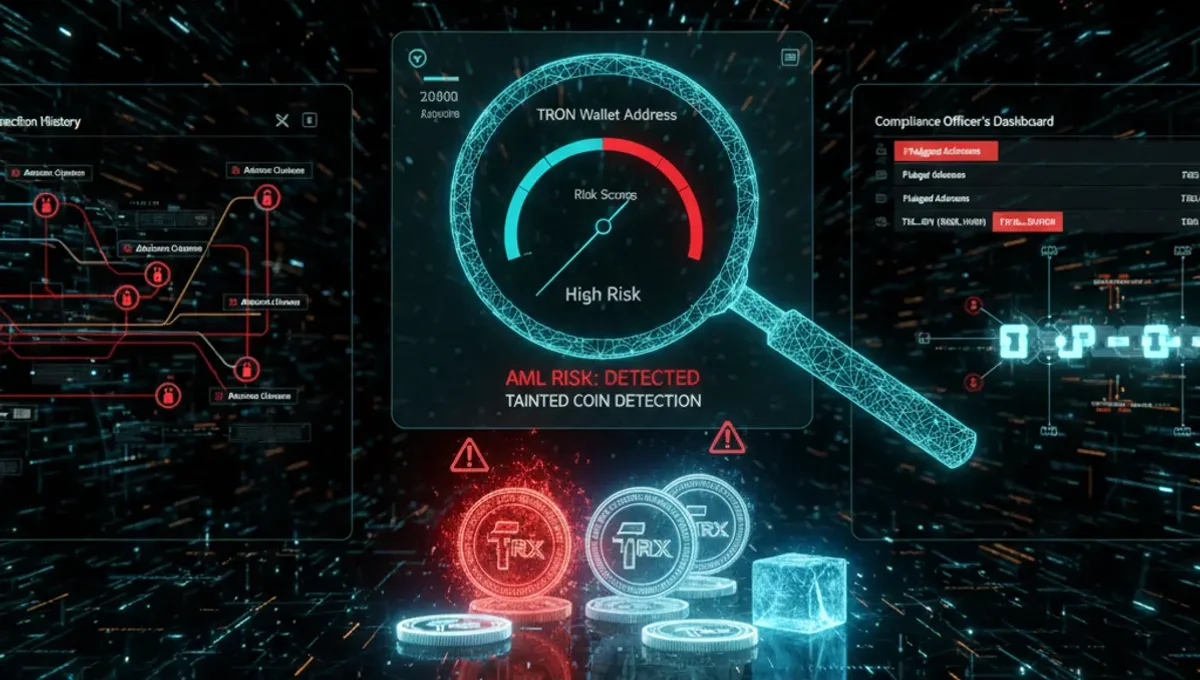
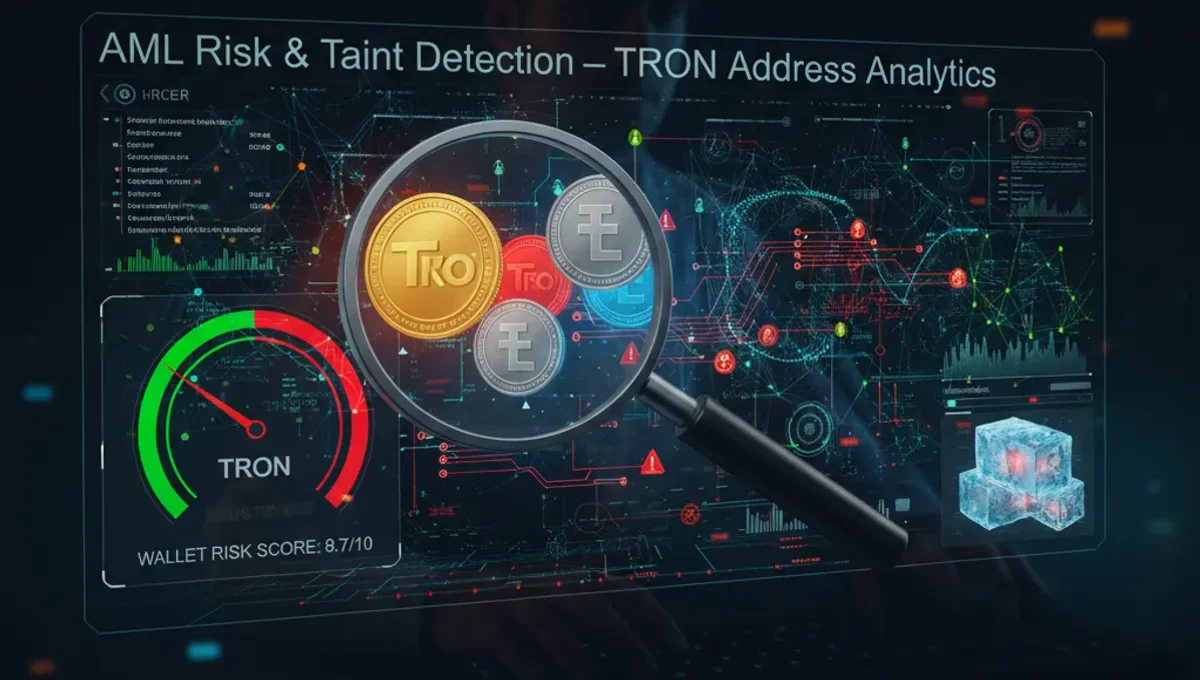
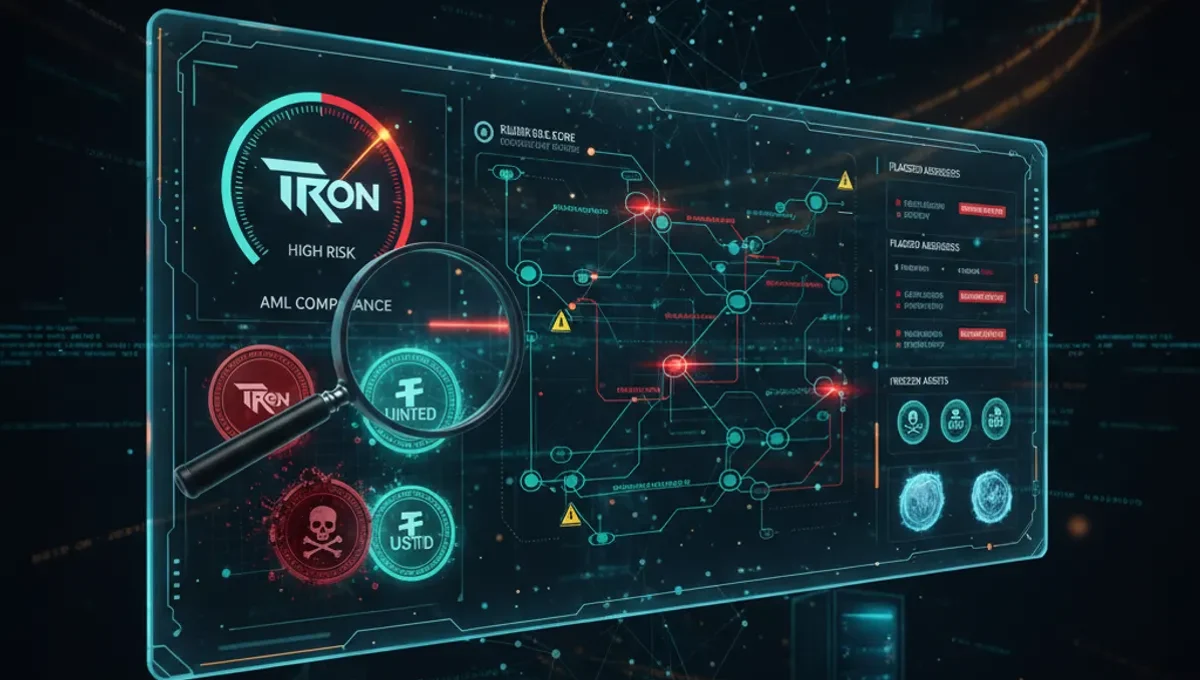
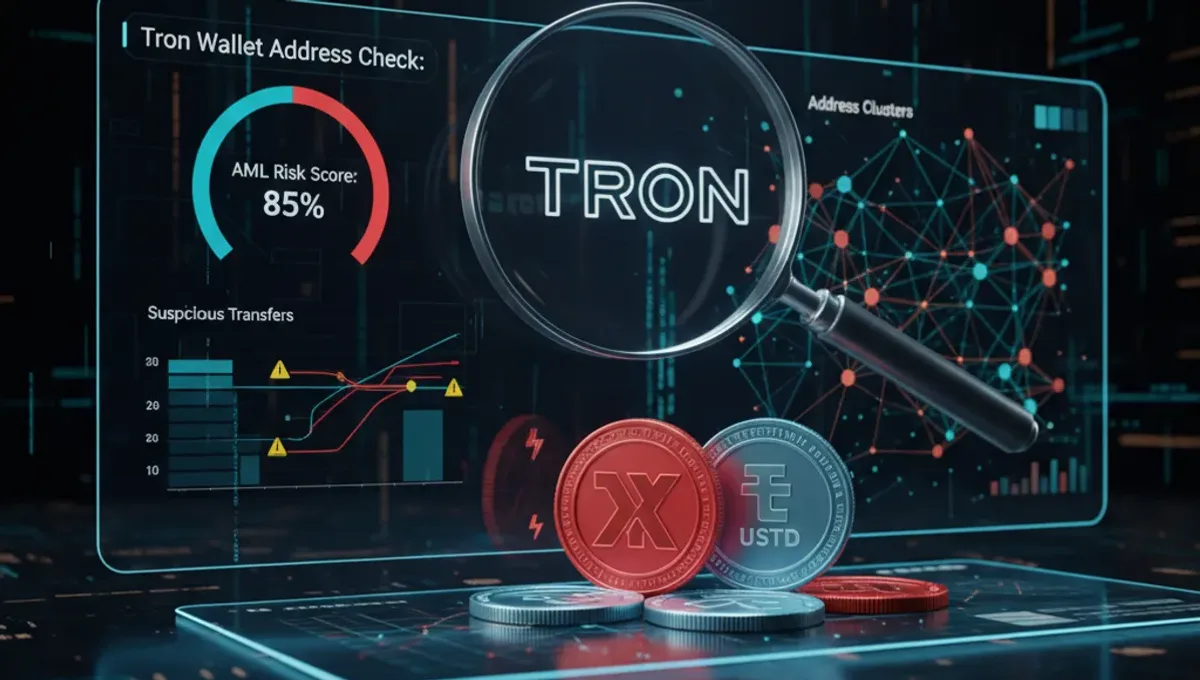
A TRON TRC20 address check is a compliance scan that examines a wallet's transaction history, fund sources, and behavioral patterns to assign a risk score. TRC20 is the token standard for assets like USDT on the TRON blockchain. Unlike private blockchains, TRON is fully transparent: every transaction is visible on the ledger, but raw blockchain data doesn't reveal whether funds are stolen, sanctioned, or linked to darknet markets. An AML check bridges that gap by cross-referencing addresses against known risk indicators. Receiving tainted coins can result in frozen USDT, account restrictions at exchanges, or regulatory complications. Checking a TRON wallet address before transacting reduces compliance risk and protects your funds from downstream problems.
How TRON Address AML Risk Scoring Works
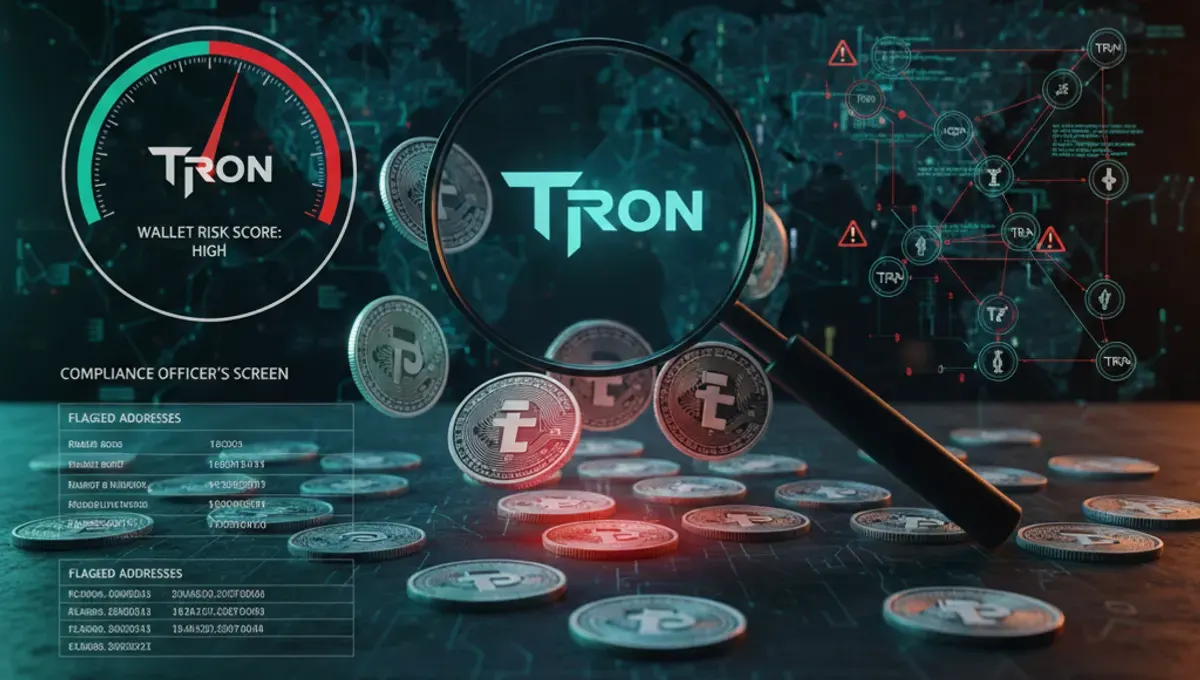
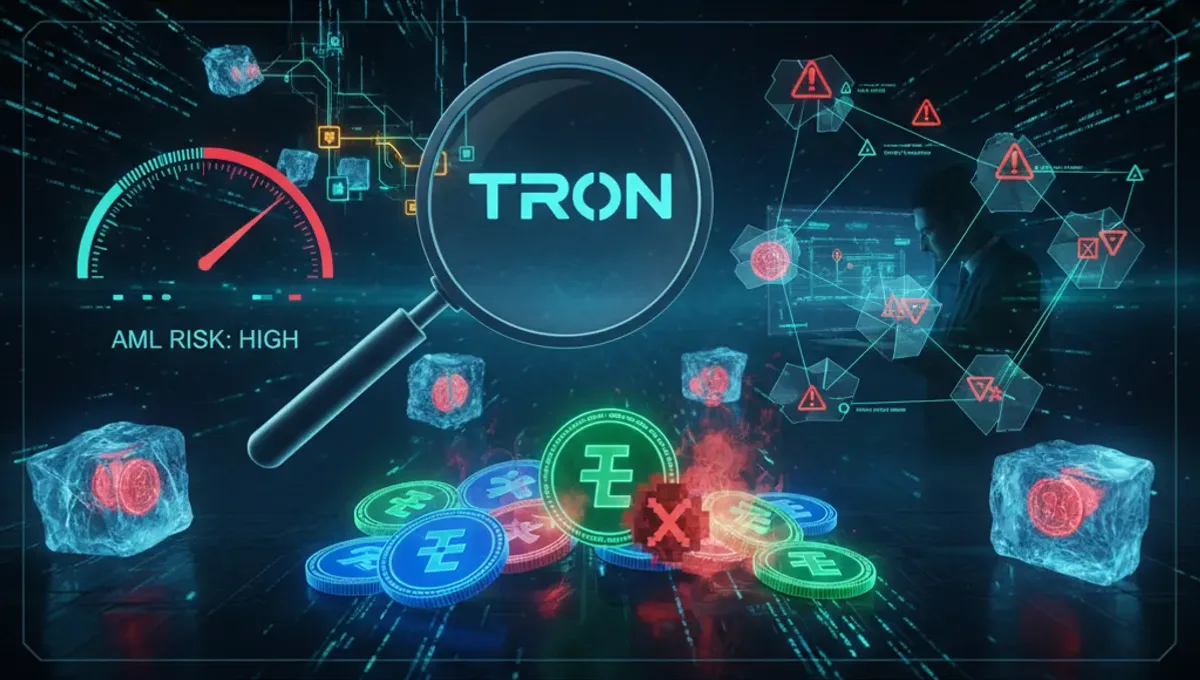
AML risk scoring for TRON addresses evaluates multiple factors: transaction frequency, fund sources, wallet age, cluster behavior, and exposure to high-risk entities. A risk score typically ranges from low (green) to high (red). Low-risk scores indicate stable, compliant transaction patterns. Medium-risk scores flag unusual activity, rapid fund movement, or minor darknet exposure. High-risk scores suggest stolen funds, sanctioned entity involvement, mixer usage, or direct links to illegal markets. The scoring model also checks whether a wallet has received funds from known compromised addresses, gambling platforms, or ransomware operations. When you check a TRON address, the system assigns a numerical or color-coded risk level. Exchanges and compliance teams use these scores to decide whether to accept deposits or freeze accounts. Understanding risk thresholds helps you decide whether to proceed with a transaction or investigate further.
Step-by-Step: How to Check a TRON Wallet Address
To check a TRON address for AML risk, follow these steps:
- Obtain the full TRON address (starts with 'T' and is 34 characters long).
- Visit a trusted AML screening service—our curated list of verified AML services includes tools that support TRON address checking.
- Paste the address into the search field.
- Review the generated risk score, transaction history summary, and any flagged risk categories (e.g., darknet exposure, mixer usage, sanctioned entity links).
- Check the detailed report for fund source information and behavioral patterns.
- Cross-reference high-risk findings with your compliance policy or exchange requirements.
- Decide whether to proceed, request additional documentation, or decline the transaction.
Most services return results in seconds. A complete report includes the risk score, transaction volume, wallet age, and specific risk factors. If a TRON address shows high risk, do not proceed without further investigation or legal review.
Understanding TRON Address Risk Score Levels
Risk score levels help you interpret AML check results:
Low Risk (0–20%): Minimal compliance concerns. Stable transaction history, no darknet links, no sanctioned entity involvement. Safe for most transactions.
Medium Risk (21–50%): Minor red flags. May include rapid fund movement, limited transaction history, or minor mixer exposure. Acceptable for many businesses, but warrants review of transaction context.
High Risk (51–100%): Significant compliance concerns. Likely indicators include stolen funds, sanctioned entity involvement, direct darknet market links, ransomware payments, or heavy mixer usage. Most exchanges will freeze accounts or reject deposits. Do not proceed without legal guidance.
Your acceptable risk threshold depends on your compliance policy and counterparty requirements. Retail users often accept low to medium risk. Institutional buyers typically require low risk only. When you check a TRON address, compare the score against your internal policy before committing funds.
Common TRON Address Risk Factors and Red Flags
When checking a TRON wallet address, watch for these risk indicators:
Darknet Exposure: Funds received from or sent to known darknet marketplaces. Indicates potential illegal activity.
Mixer Usage: Transactions routed through privacy mixers or tumblers. Suggests intent to obscure fund origins.
Sanctioned Entities: Wallet linked to individuals or organizations on government sanctions lists (OFAC, EU, UN). Receiving such funds is illegal in many jurisdictions.
Stolen Funds: Address flagged as receiving proceeds from confirmed theft, hacking, or fraud.
Ransomware Payments: Wallet associated with ransom collection or distribution.
Gambling Platforms: Funds from unregulated gambling sites (varies by jurisdiction; some regions accept this, others do not).
Rapid Fund Movement: Frequent large transfers in short timeframes; may indicate layering or money laundering.
New Wallet with Large Transactions: Newly created address receiving substantial funds; higher risk of scam or illicit activity.
These factors don't always indicate guilt, but they warrant investigation before accepting funds.
What to Do If Your TRON Address Is Flagged as High Risk
If a TRON address check returns a high-risk score, take these steps:
- Review the Detailed Report: Identify the specific risk factors (darknet exposure, mixer usage, sanctioned entity link, etc.).
- Investigate the Source: Contact the sender and ask for context. Legitimate users can often explain flagged activity.
- Check Transaction History: Use a TRON block explorer to manually review the wallet's on-chain activity and trace fund sources.
- Consult Your Compliance Team: If you work for an exchange or regulated business, escalate to compliance before proceeding.
- Request Documentation: Ask the sender for proof of fund origin (bank statements, invoices, business records).
- Decline if Uncertain: If risk cannot be explained or mitigated, reject the transaction. Receiving tainted coins can result in frozen USDT, account bans, or regulatory penalties.
- Report Suspected Illegal Activity: If you identify ransomware, theft, or sanctions violations, report to relevant authorities or your compliance officer.
Do not assume a high-risk score means the address is definitely compromised—but do not ignore it either. Verification and documentation are your safeguards.
Best Practices for Checking TRON Addresses Before Transactions
Adopt these practices to minimize compliance risk:
Always Check Before Receiving Large Amounts: Screen any TRON wallet address before accepting significant USDT or TRX transfers, especially from new counterparties.
Use Verified AML Services: Rely on trusted, established screening tools. Our site curates verified AML services that support TRON address checking—start there for reliable results.
Document Your Checks: Keep records of address checks, risk scores, and decisions. Documentation protects you in audits or regulatory inquiries.
Set Internal Risk Thresholds: Define your acceptable risk score range based on transaction size and counterparty type. Retail transfers may tolerate medium risk; institutional deals require low risk.
Cross-Check Multiple Sources: If a result seems questionable, verify using a TRON block explorer or a second AML service.
Monitor Ongoing Risk: For recurring counterparties, periodically re-check their TRON wallet address. Risk profiles can change as new transactions occur.
Educate Your Team: Ensure staff understand how to interpret risk scores and when to escalate concerns.
These practices reduce the likelihood of receiving tainted coins and protect your exchange account or business from freezes and bans.
Frequently asked questions
How do I check if a TRON address is safe before sending USDT?
Use an AML screening service to scan the TRON address for risk factors like darknet exposure, mixer usage, or sanctioned entity links. Paste the address into a verified AML tool, review the risk score, and check the detailed report. If the score is low or acceptable per your policy, proceed. If high risk, investigate further or decline the transaction.
What does a high AML risk score on a TRON address mean?
A high AML risk score (typically 51–100%) indicates significant compliance concerns: stolen funds, sanctioned entity involvement, darknet market links, ransomware payments, or heavy mixer usage. Do not accept funds from a high-risk TRON address without legal review and documentation from the sender explaining the risk factors.
Can I check a TRON TRC20 address for free?
Some AML services offer limited free checks with basic risk scoring. However, comprehensive reports with detailed transaction analysis often require a paid subscription. Visit our curated list of verified AML services to compare free and paid options for TRON address checking.
What happens if I receive tainted coins on my TRON address?
Receiving tainted coins can trigger exchange account freezes, deposit rejections, or regulatory complications. Exchanges conduct AML checks on incoming funds and may restrict or ban accounts linked to stolen, sanctioned, or illegal assets. Always check a TRON wallet address before accepting large transfers to avoid these consequences.
How often should I check a TRON address for AML risk?
Check a TRON wallet address before every significant transaction, especially from new counterparties. For recurring partners, re-check periodically (monthly or quarterly) since risk profiles change as new transactions occur. Document all checks for compliance records.