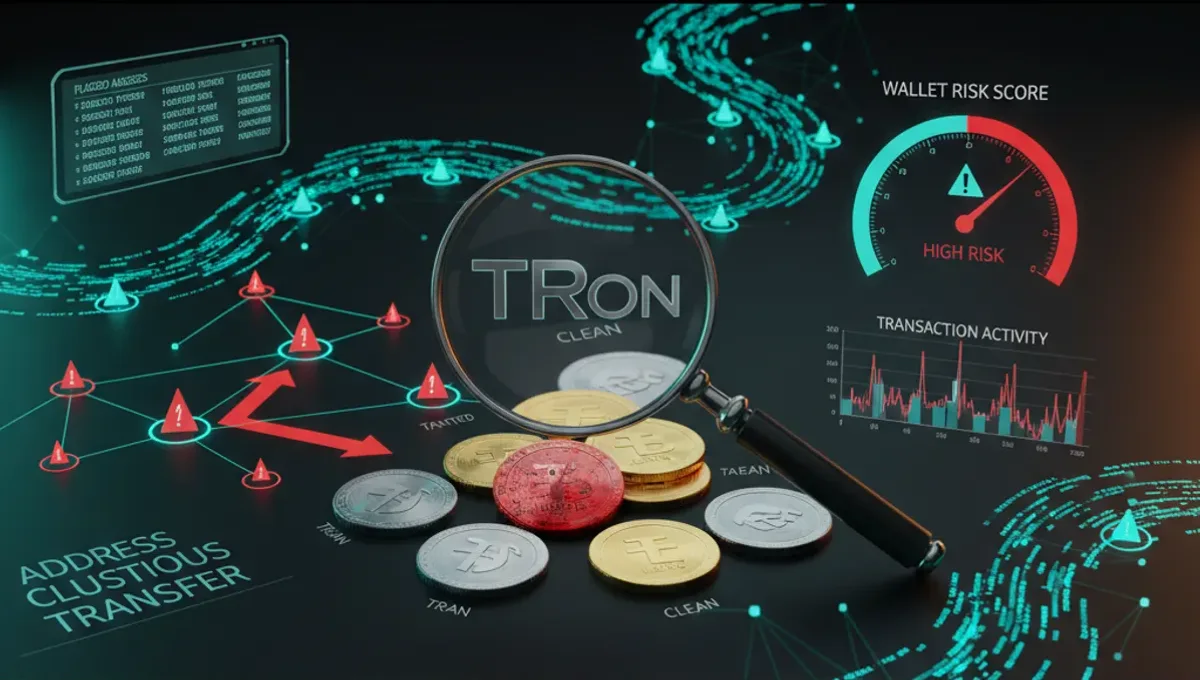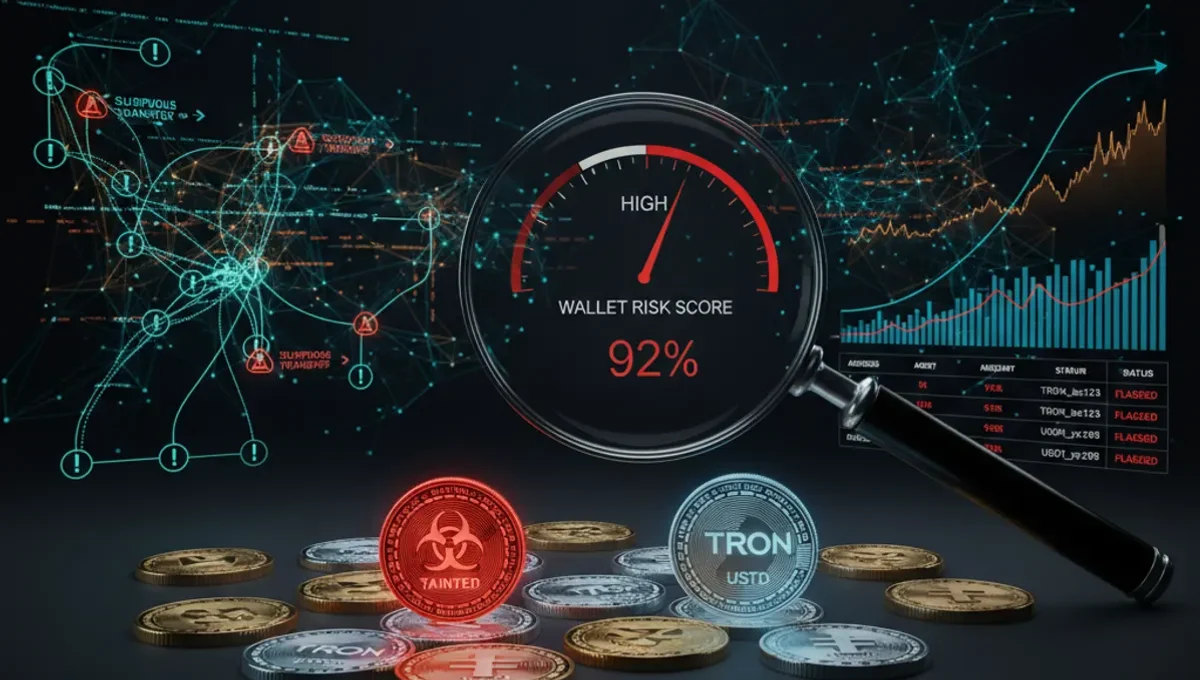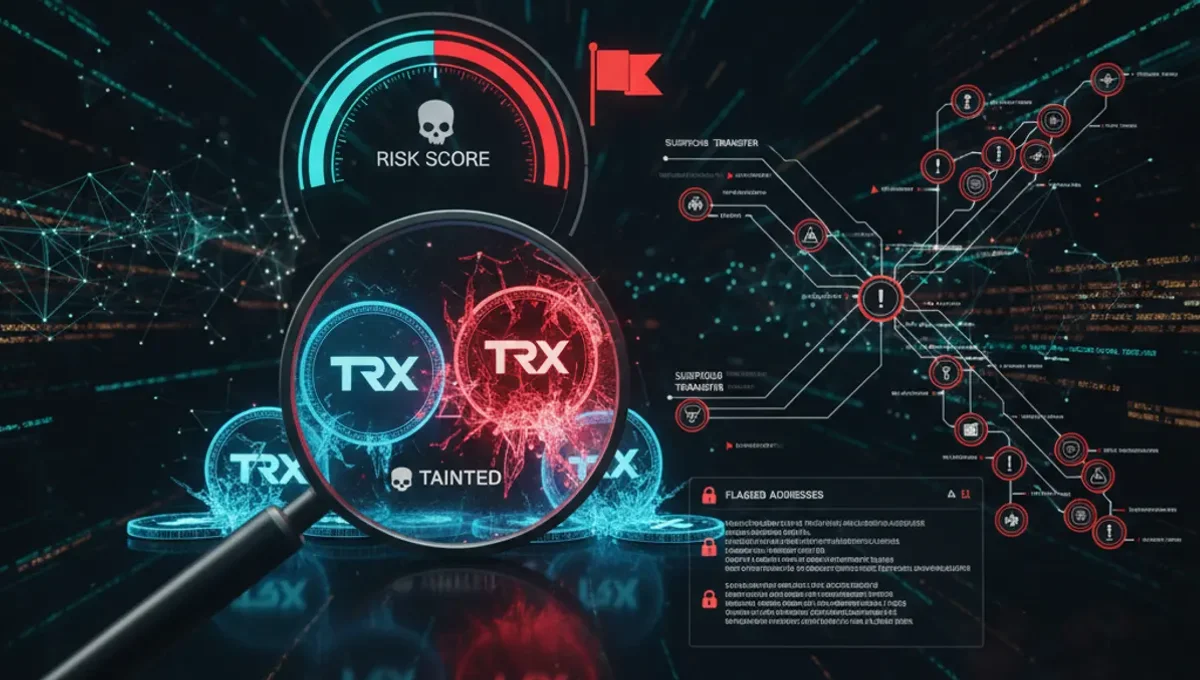
What Is AML Crypto and Why Red Flags Matter
AML crypto refers to Anti-Money Laundering compliance applied to blockchain transactions and wallet addresses. Unlike traditional banking, crypto operates on transparent ledgers where every transaction is permanently recorded and traceable. Regulators and exchanges monitor wallets for activity that violates financial crime laws. A red flag in AML is any behavior pattern that suggests money laundering, terrorism financing, sanctions evasion, or fraud. When an address accumulates red flags, it receives a high risk score. Exchanges then freeze deposits, reject withdrawals, or ban accounts entirely. For users, receiving coins from a flagged address can result in your own wallet being blocked. This is why checking a TRX address or USDT wallet before accepting funds is essential. The goal of AML screening is to prevent illicit capital from entering regulated financial systems while allowing legitimate users to transact freely.
Common Red Flags That Trigger High AML Risk Scores
Several specific behaviors and transaction patterns raise AML red flags:
- Mixing service usage: Sending coins through tumblers or mixers to obscure transaction history.
- Darknet market connections: Receiving or sending funds to addresses linked to dark web marketplaces.
- Stolen funds: Coins traced back to exchange hacks, wallet theft, or ransomware payments.
- Sanctioned entity transfers: Transactions involving addresses on OFAC or other sanctions lists.
- Rapid consolidation: Moving large amounts through multiple wallets in short timeframes.
- Gambling platform activity: Deposits to or withdrawals from unregulated gambling sites.
- Scam-linked addresses: Funds originating from Ponzi schemes, rug pulls, or phishing attacks.
- Structuring: Breaking large transactions into smaller ones to evade detection thresholds.
- High-risk jurisdictions: Activity from countries with weak AML enforcement.
- Unusual volume spikes: Sudden large transfers inconsistent with historical wallet behavior.
Each flag contributes to an overall risk score. A single flag may not block a transaction, but multiple flags trigger freezes or account bans. This is why what does AML check mean becomes critical: it's a systematic scan for these patterns.
How AML Risk Scores Are Calculated and What They Mean
An AML risk score is a numerical rating (typically 0–100 or low/medium/high) assigned to a wallet address based on transaction history and behavioral analysis. Blockchain analytics firms scan the address for red flags, then weight them according to severity and recency. A score is generated within seconds when you check a wallet.
Risk score levels generally map as follows: - Low (0–30): Minimal suspicious activity; safe to receive funds. - Medium (31–70): Some red flags present; exchanges may require additional verification. - High (71–100): Multiple serious red flags; exchanges typically freeze or reject the address.
Factors that lower a score include long transaction history without incidents, regular legitimate use, and no darknet or mixer connections. Factors that raise it include any of the red flags listed above. The recency of suspicious activity matters too; older flags may have less weight than recent ones. When you check a USDT or TRX address before accepting a transfer, the risk score tells you whether the coins are likely to be rejected or frozen by your exchange. This is why understanding cryptocurrency AML red flags is practical, not just theoretical.
How to Check a Wallet for AML Red Flags Before Receiving Funds
Before accepting USDT, TRX, BTC, or ETH from an unknown source, follow these steps:
- Obtain the full wallet address from the sender.
- Visit a trusted AML screening service (our curated AML Services list on this site includes verified providers).
- Paste the address into the checker and run the scan.
- Review the risk score and detailed report.
- Look for specific red flags: mixer usage, darknet links, stolen fund tags, or sanctions matches.
- If the score is low (under 30), the transfer is generally safe.
- If the score is medium (30–70), contact your exchange to confirm they will accept the deposit.
- If the score is high (above 70), decline the transfer or request funds from an alternative address.
Many exchanges now require AML checks on incoming deposits automatically, so a flagged address may be rejected at the gate. By checking proactively, you avoid wasted time and the frustration of frozen USDT or rejected TRX transfers. The AML fee for a single check is typically free or very low (a few dollars) through most services, making it a worthwhile precaution.
What Happens When Coins Are Flagged as Tainted
Tainted coins are cryptocurrencies linked to theft, scams, sanctions violations, or other illicit activity. When an address receives tainted coins, the entire transaction history becomes visible on the blockchain. Exchanges and compliance systems flag the address automatically. If you receive tainted coins, several outcomes are possible:
- Exchange deposit rejection: The exchange's AML system blocks the deposit before it reaches your account.
- Account freeze: If tainted coins reach your wallet, the exchange may freeze your account pending investigation.
- Forced withdrawal: Some exchanges require you to move the coins to a non-custodial wallet.
- Account closure: Repeated receipt of tainted coins can result in permanent account termination.
- Legal inquiry: In severe cases (ransomware, terrorism financing), authorities may investigate.
The key point: tainted coins don't become "clean" over time. The blockchain record is permanent. A coin flagged as stolen today will still be flagged in five years. This is why checking a wallet before accepting funds is not optional for serious users. If you suspect you have received tainted coins, contact your exchange immediately and provide documentation of the source.
Acceptable AML Risk Score Thresholds and Best Practices
For most users and exchanges, acceptable risk thresholds are:
- Low risk (0–20): Universally accepted; no concerns.
- Low-medium risk (21–40): Generally acceptable; most exchanges will process.
- Medium risk (41–60): Borderline; some exchanges may flag for manual review or require additional KYC.
- High risk (61–100): Typically rejected; avoid unless you have direct relationship with the sender.
Best practices to avoid red flags on your own wallet:
- Use reputable exchanges and custodians; avoid unregulated platforms.
- Avoid mixing services and tumblers unless you have a specific privacy need (and understand the legal implications in your jurisdiction).
- Keep transaction patterns consistent; sudden large transfers raise suspicion.
- Maintain clear records of fund sources for tax and compliance purposes.
- Do not accept unsolicited transfers from unknown addresses.
- Regularly check your own wallet's risk score to catch issues early.
- Use whitelisting: only send to and receive from addresses you have verified.
These practices protect both your wallet and your exchange account. When in doubt, use the verified AML services listed on our AML Services page to screen addresses before any significant transaction.
How Exchanges Freeze Accounts and Prevent Tainted Coin Deposits
Exchanges implement AML red flag detection at multiple points in the transaction pipeline. When you attempt to deposit USDT or TRX, the exchange's system scans the sending address against known risk databases. If the address matches a red flag profile—mixer usage, darknet connection, stolen funds tag, or sanctions list—the deposit is blocked before it reaches your account.
If a flagged deposit somehow reaches your wallet, the exchange may freeze your account pending investigation. This freeze can last days or weeks. During this time, you cannot withdraw, trade, or access your funds. The exchange will request documentation: proof of the fund source, identity verification, and sometimes a signed statement explaining the transaction.
For high-risk flags (ransomware, terrorism financing, OFAC sanctions), the freeze may be permanent, and the exchange may report the activity to financial authorities. This is not punishment; it is regulatory compliance. Exchanges face massive fines and license revocation if they knowingly process illicit funds.
To prevent account freezes, screen all incoming transfers using an AML check service before they arrive. This proactive approach is far simpler than dealing with a frozen account. Most users never encounter this issue because they verify addresses first.
Frequently asked questions
What is AML crypto and how does it relate to red flags?
AML crypto is Anti-Money Laundering compliance applied to blockchain transactions. Red flags are transaction patterns or behaviors that signal financial crime—mixing service usage, darknet connections, stolen funds, or sanctions violations. Exchanges use AML screening to detect these flags and prevent illicit funds from entering regulated systems. Understanding red flags helps you avoid receiving tainted coins and account freezes.
What does AML check mean when I receive a USDT or TRX transfer?
An AML check is a scan of a wallet address for suspicious activity and red flags. When you receive USDT or TRX, the exchange's AML system automatically checks the sending address. If the address has a high risk score due to mixer usage, darknet links, or stolen funds, the deposit may be rejected or your account frozen. Checking the address yourself before accepting the transfer prevents this problem.
How much does an AML fee cost to check a wallet?
Most AML screening services offer free or low-cost checks for individual addresses. A single wallet scan typically costs nothing to a few dollars. Bulk checking or enterprise subscriptions cost more. For personal use, checking a wallet before accepting funds is inexpensive insurance against receiving tainted coins or triggering an exchange account freeze.
What are the most common cryptocurrency AML red flags?
Common red flags include mixing service usage, darknet market connections, stolen funds, sanctioned entity transfers, rapid wallet consolidation, gambling platform activity, scam-linked addresses, and unusual transaction volume spikes. Each flag contributes to a risk score. Multiple flags trigger exchange freezes or account bans. Checking a wallet reveals which flags are present before you accept a transfer.
What happens if I receive coins flagged as tainted?
If you receive tainted coins, your exchange may reject the deposit, freeze your account, or require investigation. Tainted coins remain flagged permanently on the blockchain. Exchanges comply with AML regulations by blocking flagged addresses. To avoid this, check the sending wallet's risk score before accepting any transfer. Use verified AML services to screen addresses proactively.