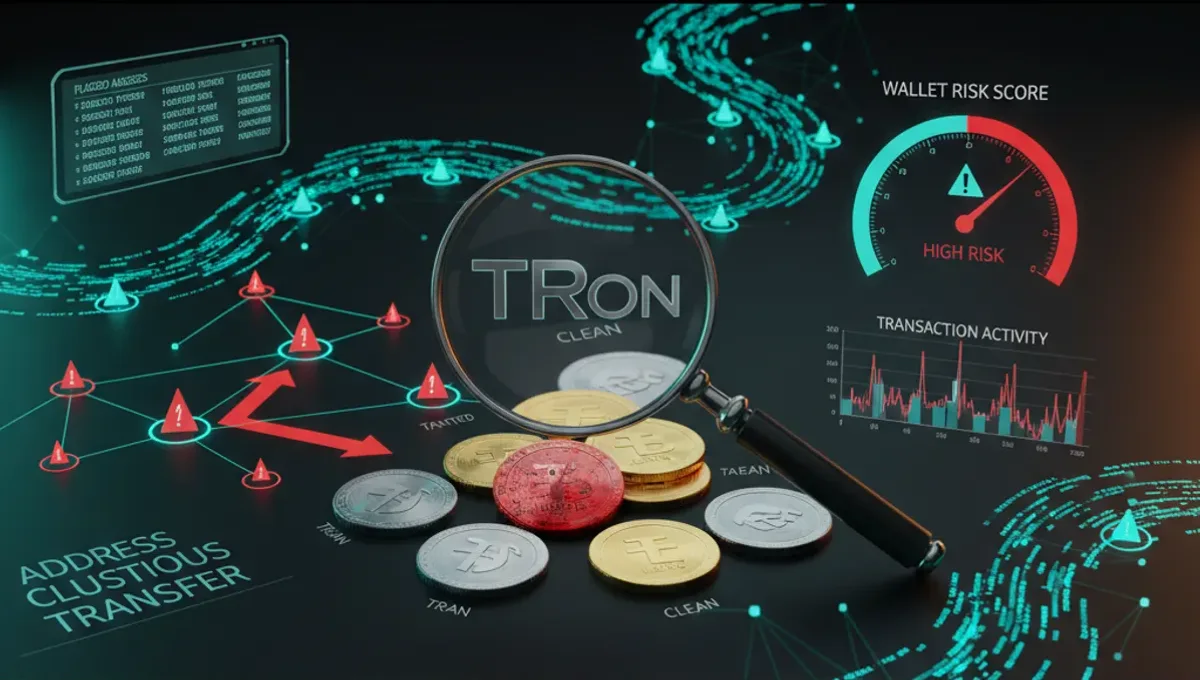
What Are Cryptocurrency Money Laundering Red Flags?
Cryptocurrency money laundering red flags are patterns and behaviors that suggest funds are being moved to obscure their origin or legitimacy. These include rapid transfers through multiple wallets in short timeframes, deposits from known darknet markets, use of privacy mixers to break transaction trails, and sudden spikes in transaction volume from a previously dormant address. Funds stolen from exchanges, wallets, or users often exhibit these patterns as bad actors attempt to convert illicit crypto into legitimate holdings. Sanctioned entities and criminal organizations also generate distinctive transaction signatures. Understanding these patterns helps you assess whether incoming funds carry compliance risk before you accept them into your exchange account or personal wallet.
How Do AML Risk Scores Work for Crypto Wallets?
An AML risk score is a numerical rating assigned to a wallet address based on its transaction history, counterparty connections, and exposure to known illicit activity. Scoring systems analyze factors such as: direct or indirect links to darknet markets, use of mixing services, connections to sanctioned addresses, frequency of rapid fund transfers, and clustering with other high-risk wallets. Risk scores typically range from 0 (clean) to 100 (high risk), though some services use different scales. A wallet may receive a higher score if it has received funds from a mixer, sent money to a gambling platform flagged for money laundering, or appeared in transaction chains connected to stolen funds. Exchanges and compliance teams use these scores to decide whether to accept deposits, freeze accounts, or request additional documentation from users.
What Is a Red Flag in AML Compliance?
In AML compliance, a red flag is any transaction, wallet behavior, or customer action that suggests potential money laundering, terrorist financing, sanctions evasion, or fraud. Common red flags include: deposits from unknown or high-risk sources, rapid movement of large sums, use of privacy-enhancing tools like mixers, transactions to or from darknet addresses, structuring (breaking large transfers into smaller ones to avoid detection), and sudden changes in transaction patterns. For crypto specifically, red flags also include receiving funds from stolen exchange accounts, wallets connected to scams, or addresses on sanctions lists maintained by regulatory bodies. When an exchange or wallet service detects red flags, they may freeze the account, request proof of funds origin, or report the activity to financial intelligence units. Understanding these signals helps you avoid inadvertently receiving flagged crypto.
How to Check a Wallet for AML Red Flags Before Receiving Crypto
Before accepting a transfer, you can screen the sending wallet for red flags using blockchain analytics tools. Here's the practical approach: First, obtain the sender's wallet address (TRX, USDT, BTC, or ETH). Second, enter the address into an AML check service to retrieve a risk assessment and transaction history. Third, review the risk score and any flagged connections—look for darknet exposure, mixer usage, sanctions list matches, or stolen fund indicators. Fourth, check the transaction pattern: does the wallet show rapid fund movement, sudden large transfers, or clustering with other risky addresses? Fifth, assess the risk tolerance for your use case—a score above 50 typically warrants caution, while scores above 75 suggest avoiding the transaction entirely. Many exchanges now require this screening before accepting deposits. Our curated list of verified AML services on this site provides trusted tools for wallet screening; starting there ensures you're using reliable, compliant platforms for your checks.
What Risk Score Levels Mean for Your Transactions
Risk score interpretation varies by service, but general guidelines help you decide whether to proceed. A score of 0–20 indicates a clean wallet with minimal illicit exposure—safe for most transactions. Scores of 21–50 suggest moderate risk: the wallet may have received funds from mixers or shows some unusual patterns, but no direct darknet or sanctions links; acceptable for most users but worth reviewing transaction details. Scores of 51–75 represent elevated risk: the wallet has connections to high-risk sources, mixing services, or suspicious transaction clustering; many exchanges will flag or freeze such deposits. Scores above 75 indicate severe risk: direct darknet exposure, stolen fund indicators, or sanctions list matches; most regulated exchanges will reject deposits from these wallets. Your acceptable threshold depends on your compliance posture—retail users may tolerate 0–50, while institutional buyers should stay below 30. Always pair the score with the detailed transaction history before making a final decision.
Red Flags Specific to USDT, TRX, and BTC Addresses
Each blockchain has distinct red flag patterns. For USDT (Tether on Ethereum, Tron, and other chains), watch for rapid transfers between exchanges, sudden large mints followed by immediate transfers to mixers, and addresses that receive USDT from known darknet market wallets. TRX (Tron) addresses often show red flags when they receive funds from gambling platforms, participate in high-frequency mixing, or cluster with addresses flagged for scams. BTC addresses exhibit red flags through use of privacy mixers like CoinJoin, rapid movement through multiple wallets, and connections to stolen exchange funds. All three assets can be flagged if they appear in transaction chains linked to ransomware payments, sanctions evasion, or stolen cryptocurrency. When checking a TRX or USDT address, verify not just the immediate sender but also the source of their funds—a wallet may appear clean on first glance but show red flags when you trace its incoming transactions back several hops.
What to Do If You Receive Flagged or Tainted Crypto
If you receive crypto flagged as tainted or high-risk, take immediate action to minimize compliance and financial risk. First, do not move the funds to an exchange or regulated custodian—this may trigger account freezes or regulatory reporting. Second, document the transaction: save the wallet address, transaction hash, timestamp, and the AML risk report. Third, contact the sender to understand the fund source; they may have received the crypto unknowingly from a risky source. Fourth, if the funds are linked to theft or sanctions violations, consider reporting the transaction to relevant authorities or your compliance team. Fifth, isolate the flagged crypto in a separate wallet and do not mix it with clean funds. Some users choose to hold flagged crypto indefinitely rather than risk exchange freezes, while others attempt to recover funds if they can prove they are the legitimate owner. The safest approach is to avoid receiving flagged crypto in the first place by screening wallets before transactions—use the verified AML services listed on our AML Services page to check addresses before accepting transfers.
Frequently asked questions
What are the main cryptocurrency money laundering red flags I should know?
Main red flags include rapid transfers through multiple wallets, deposits from darknet markets, use of privacy mixers, sudden large transfers from unknown sources, and addresses on sanctions lists. Stolen exchange funds and criminal organization wallets also show distinctive patterns. Screen wallets before accepting transfers to catch these signals early.
How much does an AML check cost for crypto wallets?
AML check fees vary by service and usage tier. Many platforms offer free basic checks with limited detail, while comprehensive reports with full transaction history and risk scoring typically cost between a few dollars and higher fees for enterprise accounts. Check our verified AML services list to compare pricing and features for your needs.
Can I check a USDT or TRX address for AML red flags myself?
You can view basic transaction history on blockchain explorers, but professional AML analysis requires specialized tools that cross-reference sanctions lists, darknet databases, and mixing service signatures. Using verified AML check services ensures accurate risk scoring and compliance-grade reporting rather than manual analysis.
What does a high AML risk score mean for my crypto transaction?
A high AML risk score (typically above 75) indicates direct exposure to darknet markets, stolen funds, or sanctions violations. Most exchanges will freeze deposits from high-risk wallets. Scores above 50 warrant caution; review transaction details before proceeding. Avoid accepting crypto from addresses scoring above 75.
Will my exchange account be frozen if I receive tainted crypto?
Yes, many exchanges automatically freeze accounts when they detect deposits from high-risk wallets or tainted coins. Frozen USDT or other assets may be held pending investigation. To avoid this, screen wallet addresses before accepting transfers using reliable AML check tools and avoid receiving crypto flagged for darknet or theft connections.