What Are Cryptocurrency Money Laundering Red Flags?
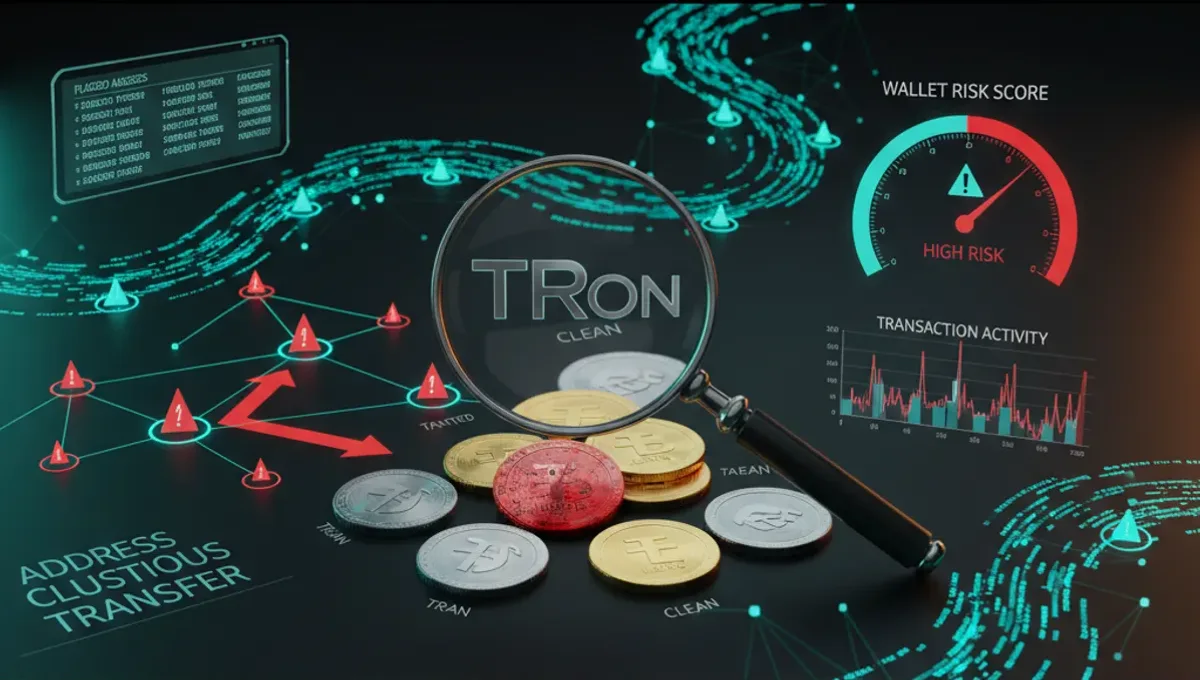
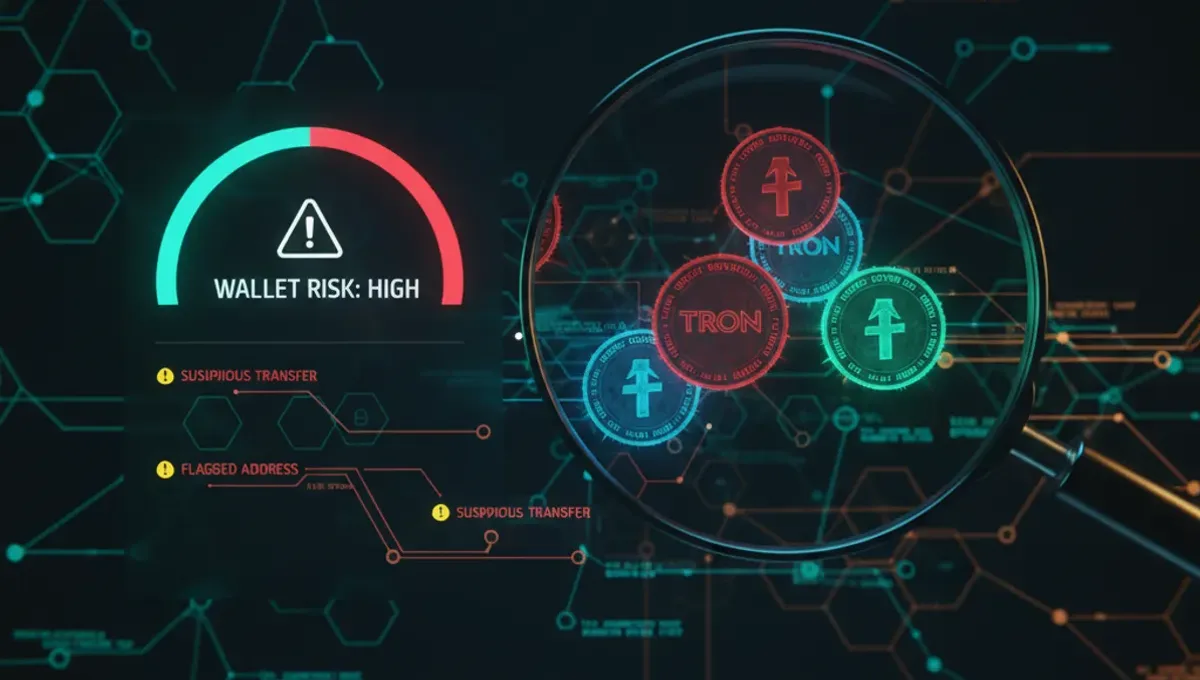
Cryptocurrency money laundering red flags are patterns or behaviors that suggest funds may be proceeds of crime or subject to sanctions. Unlike traditional banking, blockchain transactions are transparent and traceable, making suspicious activity detectable through wallet analysis. Red flags include: rapid transfers between multiple wallets to obscure origin, deposits from known darknet marketplaces, use of coin mixing services, transactions involving sanctioned entities, and sudden unexplained wealth concentration. These indicators don't prove guilt but warrant investigation before accepting payment. Blockchain analytics firms and compliance tools scan for these patterns to assign risk scores to addresses. Understanding these markers protects you from regulatory liability and financial loss.
Common Cryptocurrency AML Red Flags in Transaction Patterns
Transaction monitoring cryptocurrency systems flag specific behavioral patterns. Structuring—breaking large sums into smaller transfers to evade detection—is a classic red flag. Rapid round-trip transactions (funds arriving and leaving within minutes) suggest layering, an AML term for obscuring fund origin. Circular transactions where funds return to the sender after passing through multiple wallets indicate mixing activity. Transactions to known darknet market addresses or gambling platforms raise compliance concerns. Deposits from wallets previously linked to theft or ransomware are immediate warnings. Unusual timing patterns, such as large transfers at odd hours or during market volatility spikes, can signal coordinated movement. Exchanges and compliance teams use transaction monitoring cryptocurrency tools to detect these patterns automatically and flag accounts for review.
How to Spot Darknet Exposure and Mixing Service Usage
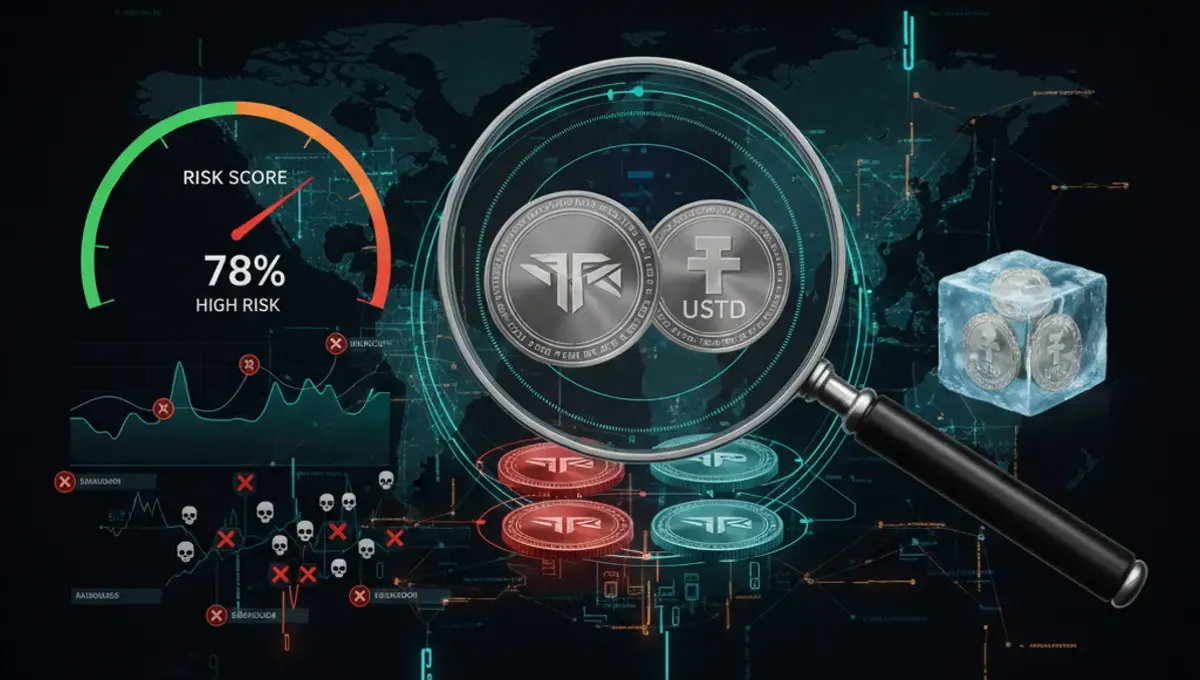
Darknet exposure is one of the highest-risk cryptocurrency AML red flags. Wallets that have received funds from known darknet market addresses carry inherent risk, even if the current holder is innocent. Mixing services—platforms that blend multiple users' coins to obscure transaction trails—are another major warning sign. When a wallet sends funds to a mixer and later receives similar amounts from different addresses, the transaction history becomes deliberately opaque. This behavior is legal in many jurisdictions but signals an attempt to break the transaction chain. Blockchain analysis tools maintain databases of known darknet marketplace addresses and mixer services, flagging any interaction. If you receive crypto from a wallet with darknet history, the coins may be considered tainted, potentially leading to exchange account restrictions or frozen USDT balances.
What Is a Red Flag in AML Compliance for Crypto Wallets?
In AML compliance, a red flag is any indicator requiring further investigation before proceeding with a transaction. For crypto wallets, red flags include: addresses on sanctions lists (OFAC SDN lists), wallets linked to known scams or theft, rapid accumulation of funds from multiple sources, transactions to high-risk jurisdictions, and wallet age combined with sudden activity spikes. Compliance frameworks define red flags by risk level: high-risk flags (darknet, sanctions) may warrant transaction rejection, while medium-risk flags (mixer usage, rapid transfers) require additional due diligence. The threshold depends on your jurisdiction and business model. A wallet receiving USDT from a sanctioned entity is a critical red flag that could result in frozen USDT and account bans at major exchanges. Proper cryptocurrency transaction monitoring helps identify these flags before funds settle.
How to Check a Wallet for Red Flags Before Receiving Crypto
Before accepting crypto payment, follow these steps to check for red flags: First, obtain the sender's wallet address. Second, use a blockchain explorer to view the wallet's transaction history and balance. Third, check the address against known sanctions lists and darknet databases—many AML check services provide this automatically. Fourth, analyze the wallet's age and activity pattern: new wallets with sudden large balances are riskier than established wallets with consistent activity. Fifth, trace the source of recent deposits: if funds came from known mixers, darknet addresses, or theft-linked wallets, the risk is elevated. Sixth, review the wallet's outbound transactions: if it sends to multiple addresses rapidly or to darknet markets, it's likely engaged in layering. Use verified AML services listed on our curated AML Services page to streamline this process—they provide risk scores and detailed reports in seconds, far faster than manual analysis.
Understanding Risk Score Levels and Acceptable Thresholds
AML risk scores typically range from 0 (low risk) to 100 (high risk), though scoring systems vary by provider. A score below 20 generally indicates a clean wallet with minimal red flags. Scores between 20 and 50 suggest moderate risk: the wallet may have some suspicious activity but isn't definitively linked to crime. Scores above 50 indicate high risk and warrant careful review or rejection. Scores above 75 are critical red flags—these wallets are often linked to darknet activity, sanctions violations, or known theft. Acceptable thresholds depend on your use case: exchanges typically reject scores above 50, while peer-to-peer traders may accept scores up to 30. For USDT and TRX addresses, check the risk score before accepting payment. If a wallet's score is above your threshold, request an alternative payment method or decline the transaction. Document your decision for compliance records.
What to Do If You Receive Tainted Coins or Flagged Crypto
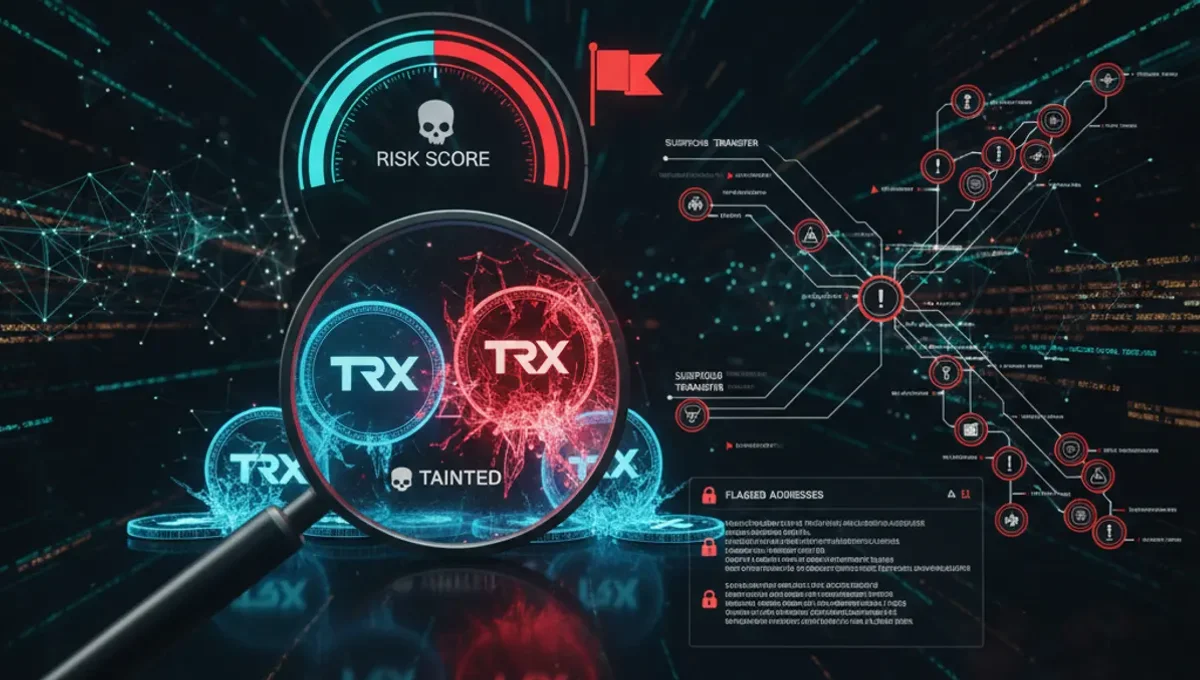
If you receive crypto flagged as tainted or linked to red flags, act quickly. First, do not spend or transfer the funds immediately—this may trigger exchange account bans or frozen USDT balances. Second, verify the flag by checking multiple sources: use blockchain explorers and AML tools to confirm the risk assessment. Third, investigate the source: contact the sender to understand why the wallet has red flags. They may have received the funds unknowingly or the flag may be a false positive. Fourth, if the coins are genuinely tainted (stolen, sanctioned, or darknet-linked), consider reporting the transaction to relevant authorities and your exchange. Fifth, if you must liquidate, use exchanges with clear AML policies and be prepared for account restrictions. Many exchanges will freeze accounts holding flagged assets. Document all steps for your records. Consulting compliance professionals is advisable for large amounts or complex situations.
Frequently asked questions
What are the most common cryptocurrency AML red flags?
The most common red flags include rapid transfers between wallets, use of mixing services, transactions to darknet markets, deposits from sanctioned entities, and sudden unexplained wealth. Structuring (breaking large sums into smaller transfers) and circular transactions also signal suspicious activity. Blockchain analytics tools detect these patterns automatically.
How do I check if a crypto wallet has darknet exposure?
Use blockchain explorers to trace the wallet's transaction history and identify if it has received funds from known darknet market addresses. AML check services maintain databases of darknet addresses and flag any interaction automatically. If a wallet has darknet exposure, the coins may be considered tainted and risky to hold.
What risk score should I accept before receiving USDT or TRX?
Most exchanges reject wallets with risk scores above 50. For peer-to-peer transactions, scores below 30 are generally safe. Scores above 75 indicate critical risk and should be declined. Your acceptable threshold depends on your compliance requirements and risk tolerance. Always verify the score with multiple tools.
Can I get my account unfrozen if I received tainted crypto?
Unfreezing depends on your exchange's policies and the severity of the flag. Contact your exchange's compliance team immediately with documentation showing you received the funds unknowingly. Some exchanges unfreeze after investigation; others maintain the restriction. Avoid receiving flagged crypto in the first place by checking wallets before accepting payment.
What is the difference between cryptocurrency transaction monitoring and AML red flags?
Transaction monitoring cryptocurrency is the ongoing process of analyzing wallet activity for suspicious patterns. Red flags are the specific indicators that monitoring systems detect—darknet exposure, mixing service usage, rapid transfers, and sanctions violations. Monitoring identifies red flags; red flags inform compliance decisions.