What Exactly Is a Wallet Check
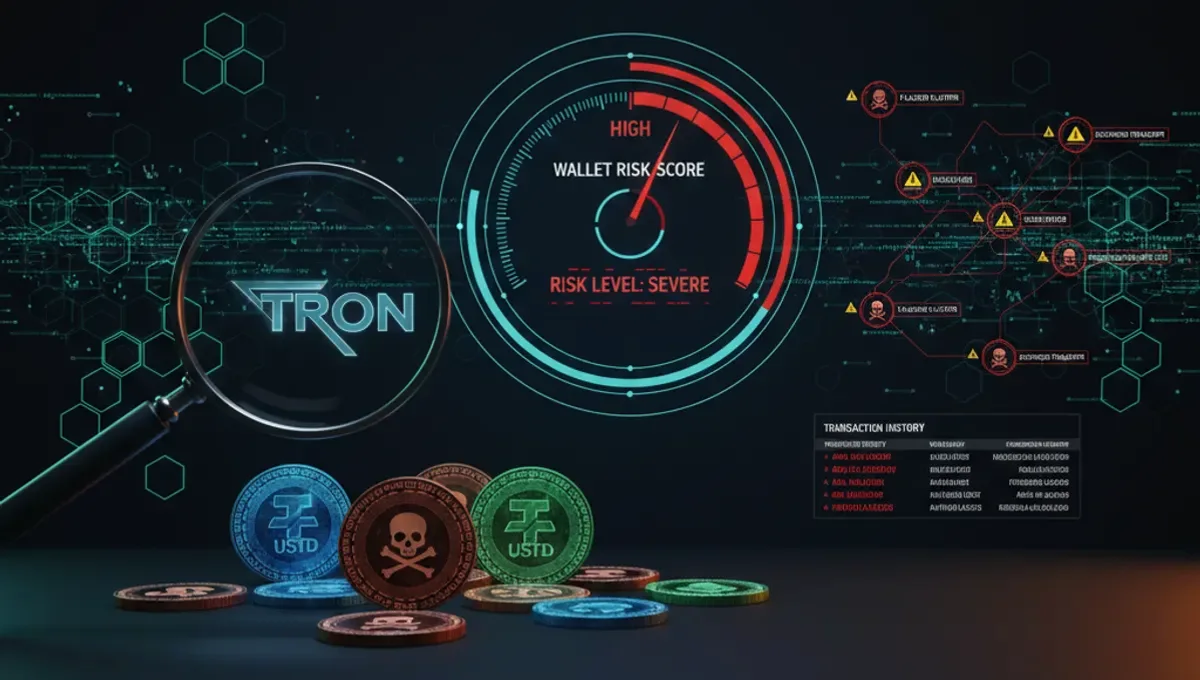
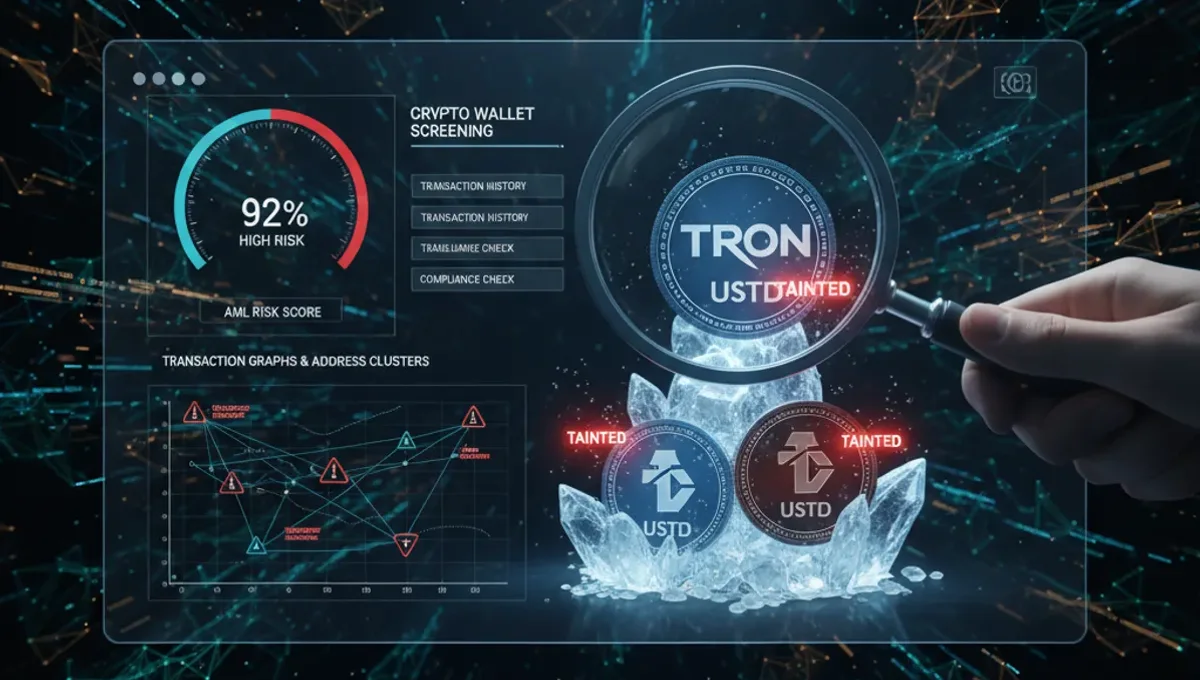
A wallet check is a blockchain analysis scan that examines transaction history and address behavior to flag risk. It pulls data from public ledgers and cross-references addresses against known risk categories: mixers, darknet markets, scams, stolen funds, and sanctioned entities. The output is a risk score—typically ranging from low to critical—that summarizes whether coins at that address are clean or tainted. Wallet checks work on major chains: TRX (Tron), USDT (Ethereum and Tron), BTC (Bitcoin), and ETH (Ethereum). Unlike a simple balance lookup, a wallet check performs crypto wallet screening by tracing coin provenance and flagging exposure to illicit activity. This is different from KYC (know your customer), which verifies identity; wallet checks focus on transaction risk.
How Do AML Checks Work on Crypto Wallets
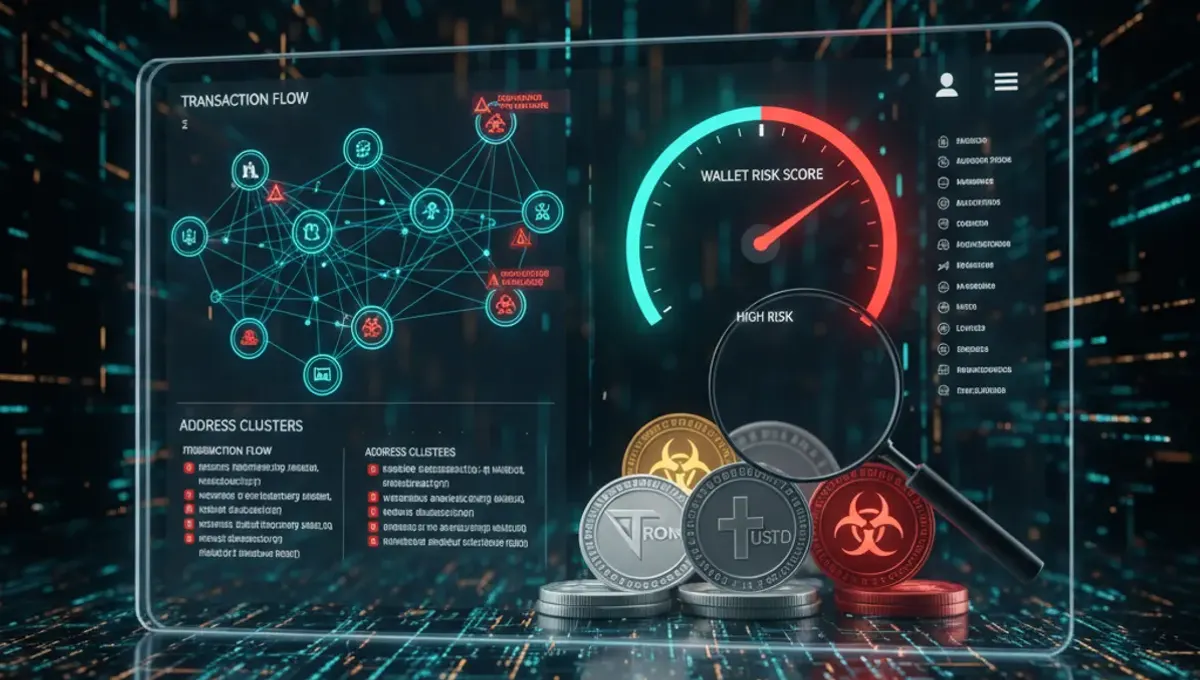
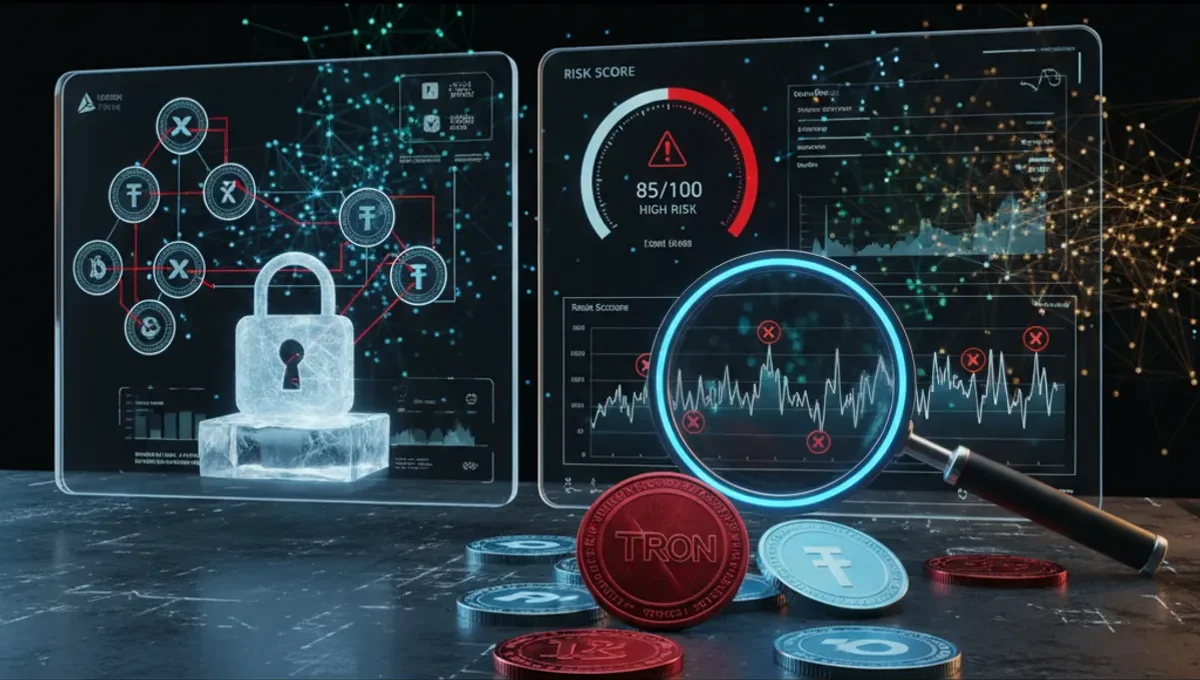
AML checks on crypto wallets use blockchain transaction monitoring to build a risk profile. The process starts by querying the public ledger for all incoming and outgoing transactions tied to an address. Blockchain analytics tools then cluster related addresses and trace coin movement backward to their source. If coins originated from a mixer, darknet marketplace, or sanctioned wallet, the address receives a higher risk score. The system also flags sudden large transfers, rapid consolidation patterns, and connections to known scam addresses. How to do AML checks involves running the target address through these analytics engines, which cross-reference against maintained lists of high-risk wallets. The result is a risk score and a breakdown of risk factors—for example, '15% of coins received from gambling platforms' or '5% linked to darknet markets.' This transparency helps you assess whether the incoming transaction poses compliance or reputational risk.
Step-by-Step: How to Check a Crypto Wallet Before Receiving Funds
Follow these steps to screen a wallet before accepting USDT, TRX, or BTC:
- Obtain the wallet address from the sender (e.g., a TRX address starting with T, or a BTC address starting with 1, 3, or bc1).
- Visit a trusted AML check service—our curated AML Services list on this site includes verified providers that offer wallet screening.
- Paste the address into the checker and run the scan.
- Review the risk score (typically Low, Medium, High, or Critical).
- Examine the risk breakdown: what percentage of coins came from mixers, darknet, gambling, or other categories.
- Decide: if the score is Low or Medium and the risk factors are acceptable to your compliance policy, proceed. If High or Critical, ask the sender for clarification or decline the transaction.
- Document the check result for your records—exchanges and regulators may request proof of due diligence.
This process takes 2–5 minutes and protects you from receiving frozen or blacklisted coins.
What Do AML Risk Score Levels Mean
Risk scores translate blockchain data into actionable categories:
Low Risk (0–25%): Coins show clean transaction history with minimal exposure to high-risk sources. Safe to accept in most compliance frameworks.
Medium Risk (26–50%): Some exposure to mixers, gambling, or other moderate-risk activity, but no direct darknet or sanctions links. Acceptable for many businesses, though review your internal policy.
High Risk (51–75%): Significant mixing activity, multiple darknet connections, or links to scams. Most exchanges flag these; accepting carries regulatory risk.
Critical Risk (76–100%): Direct sanctions exposure, stolen funds, or heavy darknet involvement. Exchanges will freeze accounts; do not accept.
Your acceptable threshold depends on your business model and jurisdiction. A retail exchange may accept only Low; a peer-to-peer platform might tolerate Medium. Document your policy and apply it consistently. AML checks cost varies by provider—some offer free basic scans with limited detail, while premium services provide deeper analysis and historical reports.
Common Risk Factors in Wallet Checks
Wallet checks flag several risk categories that appear in the score breakdown:
Mixers: Addresses that send coins to or receive from mixing services, which obscure transaction trails. Mixer exposure raises compliance red flags.
Darknet Markets: Direct or indirect links to known darknet marketplaces. Any darknet exposure typically triggers High or Critical scores.
Stolen Funds: Coins traced back to exchange hacks, wallet compromises, or theft. These are often frozen on exchanges.
Sanctions: Addresses linked to individuals or entities on OFAC, EU, or other sanctions lists. Transacting with sanctioned addresses violates law in many jurisdictions.
Gambling: Coins from gambling platforms. Some jurisdictions and exchanges restrict gambling-linked funds.
Scams: Addresses associated with Ponzi schemes, rug pulls, or fraud. Scam coins carry reputational and legal risk.
A single risk factor doesn't always mean rejection—context matters. A 5% mixer exposure is different from 80%. Review the full breakdown before deciding.
What Happens If Your Coins Are Flagged as Tainted
If you receive coins flagged as tainted and deposit them on an exchange, several outcomes are possible:
Account Freeze: The exchange detects the tainted coins during deposit screening and freezes your account pending investigation.
Withdrawal Block: You can view your balance but cannot withdraw; the exchange holds funds while compliance reviews the transaction.
Account Closure: If the coins are linked to sanctions or major theft, the exchange may close your account and return funds after a holding period.
Regulatory Report: The exchange files a Suspicious Activity Report (SAR) with financial authorities, creating a compliance record.
Delayed Resolution: Even if you prove you received the coins unknowingly, unfreezing takes weeks or months.
To avoid this, always perform a wallet check before accepting large transfers. If you've already received tainted coins, contact the exchange's compliance team immediately and explain the situation. Provide the wallet check report as evidence of due diligence. Proactive disclosure often results in faster resolution than waiting for the exchange to flag the coins.
Choosing a Wallet Check Service: What to Look For
Not all wallet check services are equal. When selecting a provider, consider:
Coverage: Does it support the chains you need (TRX, USDT, BTC, ETH)?
Accuracy: Does it use real-time blockchain data or outdated snapshots? Reputable services update continuously.
Transparency: Does the report explain risk factors clearly, or just show a score?
Speed: Can it return results in seconds, or does it take hours?
Cost: Free tools offer basic screening; paid services provide detailed reports and historical data. AML checks cost ranges from free to $50+ per scan depending on depth.
Compliance Credibility: Is the service used by exchanges and institutions, or is it unproven?
Our curated AML Services list on this site includes verified providers that meet these standards. Start there to find a trusted wallet check tool rather than experimenting with unknown services. Established providers have better data, faster turnaround, and defensible audit trails if regulators ask about your due diligence.
Frequently asked questions
How much do AML checks cost
Free wallet checks offer basic risk scoring with limited detail. Premium services charge $5–$50 per scan depending on depth and report features. Bulk or subscription plans cost less per check. Most exchanges and compliance teams use paid services for accuracy and audit trails. Check our AML Services list for pricing from verified providers.
Can I check a crypto wallet for free
Yes, many services offer free basic wallet checks that return a risk score and general risk factors. Free scans usually lack historical data and detailed breakdowns. For thorough crypto wallet screening before large transactions, paid services provide better accuracy. Free tools are useful for quick due diligence; paid options are better for compliance documentation.
What does a high risk score mean on a wallet check
A high risk score (typically 51–75%) indicates significant exposure to mixers, darknet, or other illicit activity. Most exchanges will flag or freeze deposits from high-risk wallets. You should not accept funds from a high-risk address unless you have a strong business reason and compliance approval. Critical scores (76–100%) should be rejected outright.
How long does a wallet check take
Most wallet checks return results in 2–10 seconds. Some services cache data for instant results; others query the blockchain in real time, which takes slightly longer. Detailed historical reports may take a few minutes. For urgent decisions, use a service that offers instant screening. Our verified AML Services list includes fast, reliable providers.
Do wallet checks work on all cryptocurrencies
Wallet checks work best on transparent blockchains like Bitcoin, Ethereum, Tron, and USDT. Privacy coins (Monero, Zcash) are harder to analyze due to built-in anonymity. Most compliance tools focus on major chains. Check whether your target cryptocurrency is supported before running a scan.