What Does It Mean to Check a Crypto Wallet?
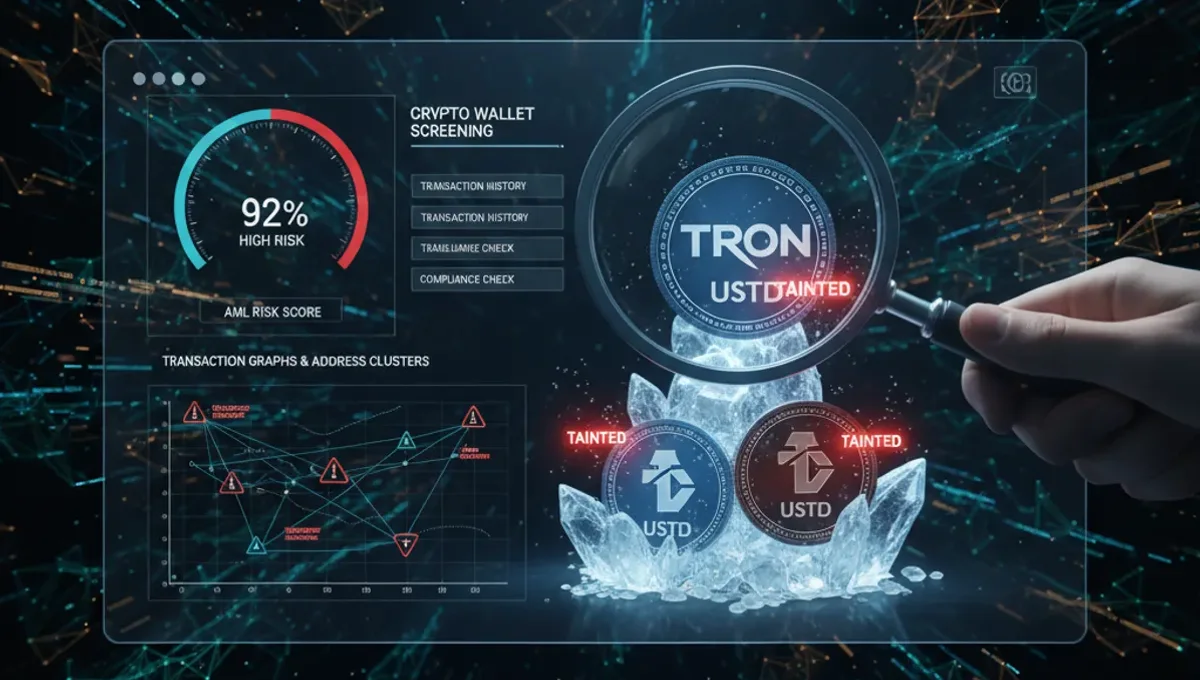
Checking a crypto wallet involves submitting an address to a blockchain analytics platform that scans its transaction history and associated entities. The tool examines whether the wallet has received funds from high-risk sources: darknet markets, mixers, stolen funds, scams, or sanctioned addresses. The result is a risk score and a detailed report showing the wallet's compliance profile. This process is called Know Your Transaction (KYT) screening. Unlike KYC (Know Your Customer), which verifies identity, KYT focuses on the movement and origin of funds. Exchanges, custodians, and compliance teams use wallet checks to prevent money laundering and regulatory violations. For individuals, checking a wallet before accepting a large transfer protects you from receiving dirty crypto that could be frozen or rejected by exchanges.
How AML Risk Scoring Works for Crypto Wallets
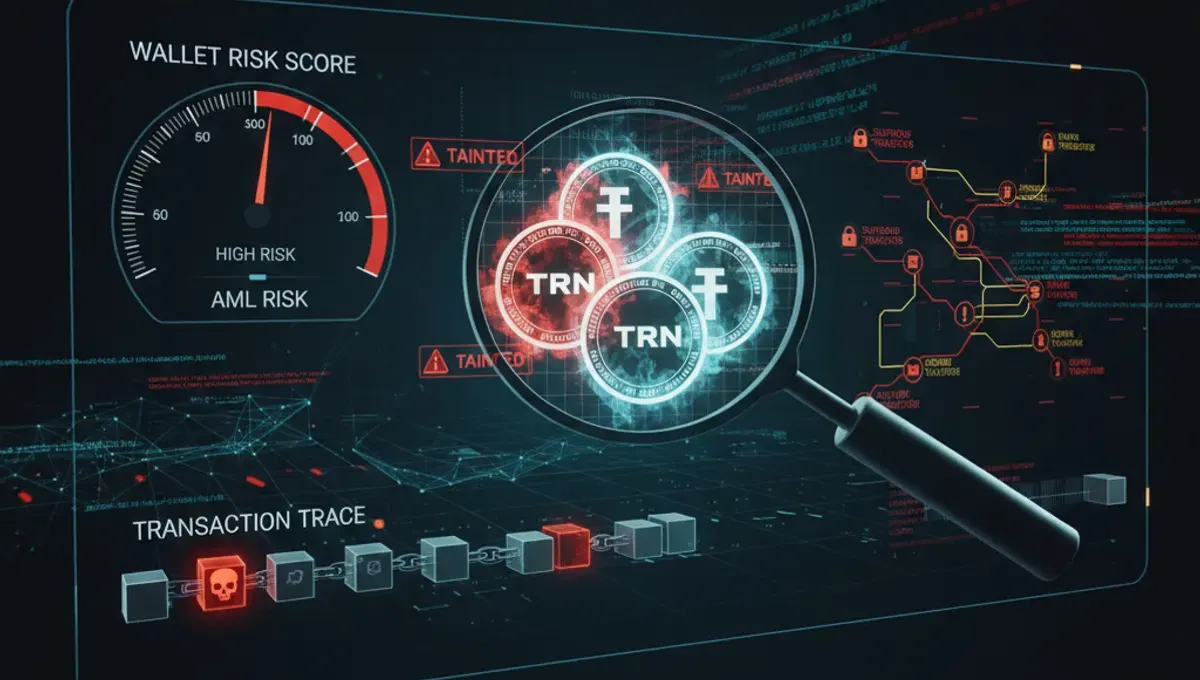
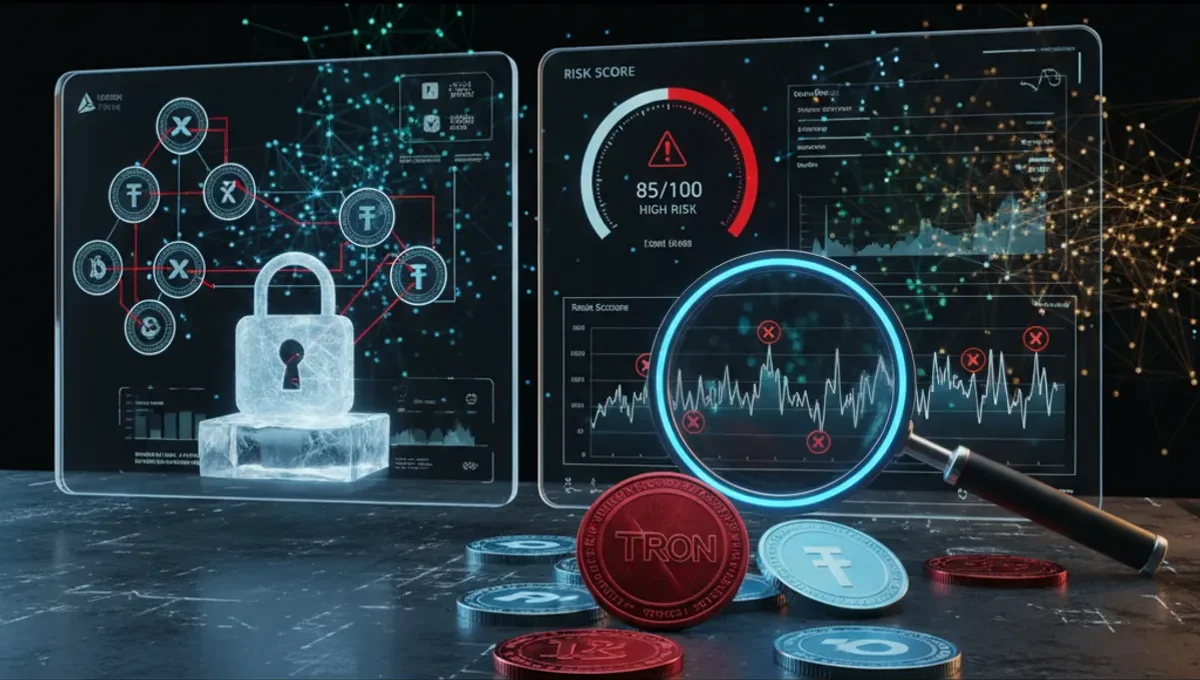
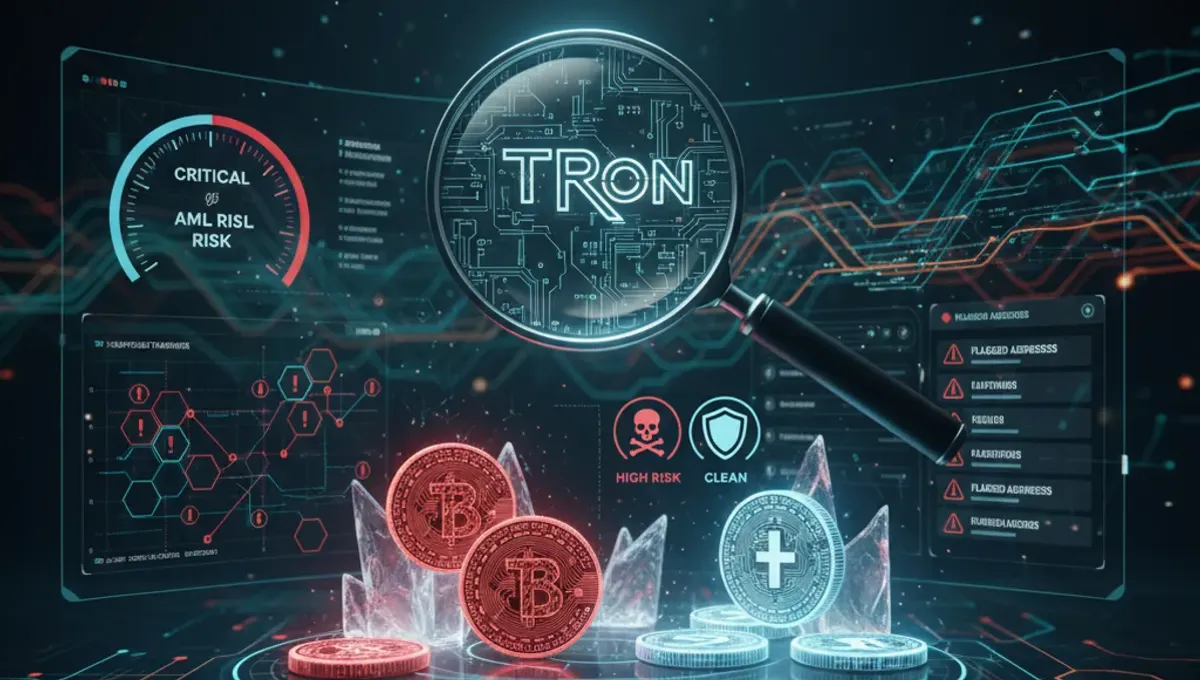
An AML risk score is a numerical rating that reflects the likelihood a wallet is involved in illicit activity. Scores typically range from 0 (very low risk) to 100 (very high risk), though some platforms use percentage or categorical scales. The scoring algorithm examines several factors: transaction history with known darknet addresses, use of mixers or tumblers, time since the wallet was created, frequency of transactions, and whether the address appears on sanctions lists or law enforcement databases. A wallet that has never interacted with flagged entities scores lower. One that received funds directly from a mixer or darknet market scores higher. Risk scores are not binary judgments of guilt; they reflect exposure and compliance burden. An exchange might accept wallets scoring below 30, flag those between 30–70 for manual review, and reject those above 70. Your acceptable threshold depends on your jurisdiction and counterparty requirements.
Step-by-Step: How to Check a Wallet Before Receiving Crypto
Follow these steps to screen a wallet address before accepting a transfer:
- Obtain the full wallet address from the sender (BTC, ETH, TRX, or USDT address).
- Copy the address exactly; even one character error will return a false result.
- Visit a trusted AML check service. Our curated list of verified AML services on this site includes platforms that screen BTC, USDT, TRX, and ETH addresses with detailed risk reports.
- Paste the address into the search field.
- Select the blockchain (Bitcoin, Ethereum, Tron, etc.) if the tool requires it.
- Click "Check" or "Scan."
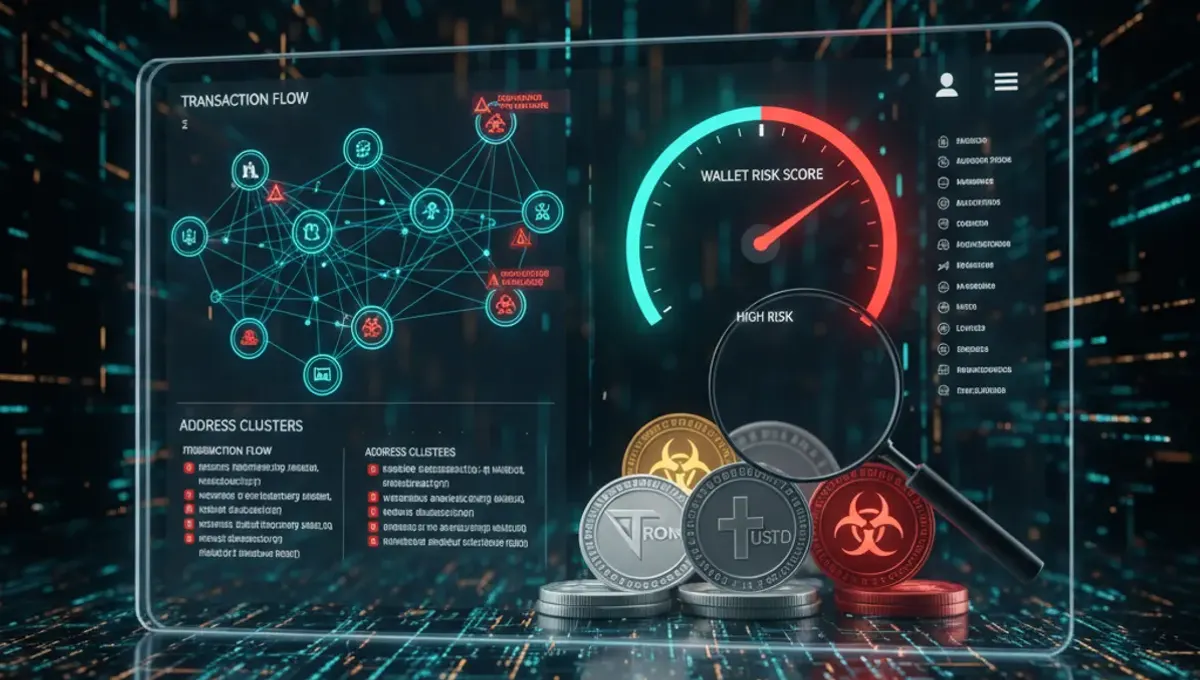
- Review the risk score and the detailed report, which typically shows transaction history, linked entities, and flagged activity.
- If the score is below your acceptable threshold (e.g., below 30), the wallet is generally safe to receive from. If the score is high or the report flags darknet or mixer activity, decline the transaction or request clarification from the sender.
- Document the report for your records, especially if you are a business or custodian.
Understanding Risk Score Levels and What They Mean
Risk scores fall into broad categories that guide your decision:
Low Risk (0–20): The wallet shows minimal exposure to illicit activity, no mixer use, and no sanctions links. Safe for most transactions.
Low-Medium Risk (21–40): The wallet may have minor exposure, such as a single transaction with a flagged address years ago, or interaction with a service that has some compliance concerns. Generally acceptable for most use cases, though some exchanges may request additional documentation.
Medium Risk (41–60): The wallet has notable exposure: multiple transactions with mixers, interaction with darknet-adjacent services, or unresolved sanctions concerns. Many exchanges will freeze or flag accounts receiving from these wallets. Proceed with caution.
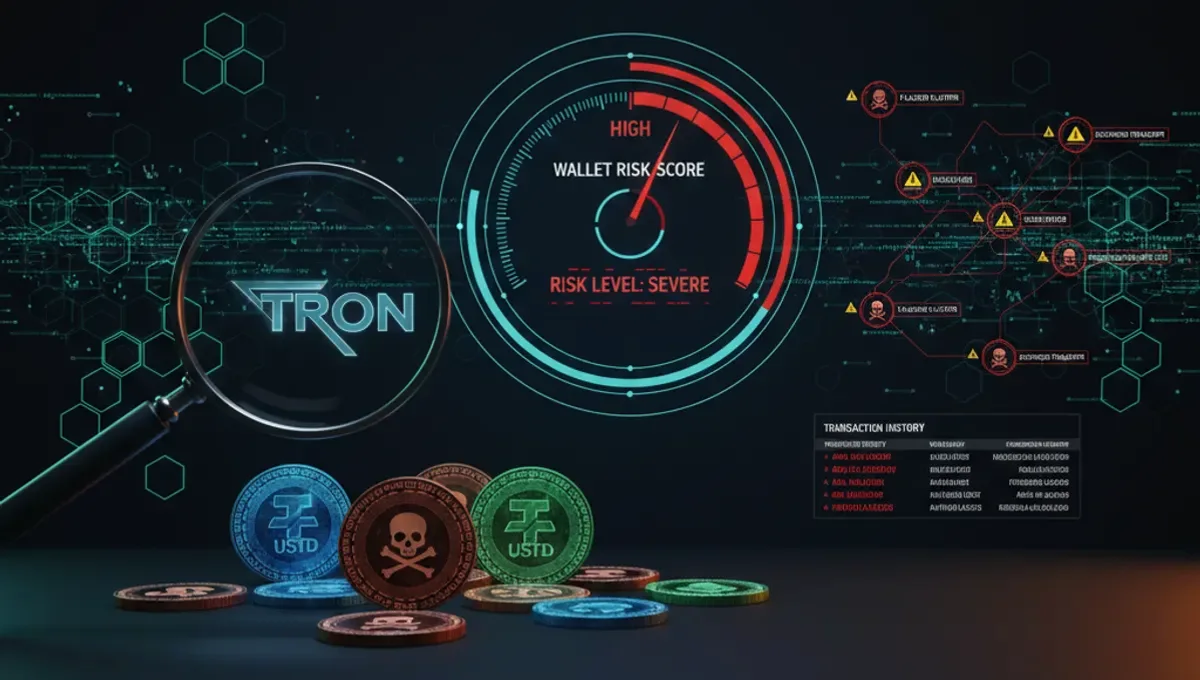
High Risk (61–100): The wallet is directly linked to darknet markets, stolen funds, active scams, or sanctioned entities. Exchanges will almost certainly reject or freeze funds. Do not accept transfers from these addresses unless you have explicit legal clearance.
Thresholds vary by jurisdiction and institution. Regulated exchanges typically reject anything above 50; conservative custodians may set the bar at 30.
What to Do If a Wallet Is Flagged as High Risk or Tainted
If you receive a high-risk result or the report shows tainted coins, take these steps:
- Do not deposit the funds to an exchange immediately. Frozen USDT and account bans are common consequences of receiving flagged crypto.
- Contact the sender and ask for clarification. The high score may result from a misunderstanding, a legitimate transaction with a service that appears risky, or an error.
- If the sender cannot explain the risk, decline the transaction.
- If you have already received the funds, do not move them to an exchange. Instead, consult a compliance specialist or legal advisor in your jurisdiction.
- If the wallet is linked to a known scam or darknet market, report it to the relevant exchange or law enforcement if appropriate.
- For businesses, document the screening result and your decision in your compliance file. This protects you if regulators later inquire about the transaction.
Tainted coins can be frozen by exchanges, and receiving them may trigger account restrictions or bans, even if you were unaware of their origin.
How Exchanges Detect and Freeze Tainted Crypto
Exchanges use blockchain analytics and transaction monitoring to identify tainted coins and high-risk wallets. When you deposit crypto, the exchange scans the deposit address and the transaction history of the funds. If the coins are flagged as stolen, from a darknet market, or linked to sanctions, the exchange may freeze your account pending investigation. This can last days, weeks, or indefinitely. Frozen USDT and other stablecoins are particularly common because they are often used in scams and theft. The exchange is not accusing you of wrongdoing; it is complying with anti-money laundering regulations. However, the freeze can prevent you from withdrawing or trading. To avoid this, always check the wallet you are receiving from before the transfer. If you are sending crypto to someone else, ask them to verify their receiving address is low-risk, or use a wallet screening tool yourself to confirm the destination is safe.
Choosing a Trusted AML Check Service
Not all AML check platforms are equal. When selecting a service, consider these factors:
Coverage: Does it screen BTC, USDT, TRX, ETH, and other blockchains you use?
Accuracy: Does it use real-time blockchain data and sanctions lists, or outdated databases?
Transparency: Does the report show specific flagged transactions and entities, or just a score?
Speed: Can it return results in seconds, or does it take hours?
Privacy: Does it log your queries, or does it delete them?
Cost: Is there a free tier for basic checks, or is every scan paid?
Our curated list of verified AML services on this site includes platforms that meet these standards and are trusted by exchanges, custodians, and compliance teams. Starting with a service from that list ensures you are using a reliable tool with accurate data and transparent reporting. Many offer free checks for a limited number of addresses per month, making it easy to test before committing to a paid plan.
Frequently asked questions
Can I check a crypto wallet for free?
Yes. Many AML check services offer free scans for a limited number of addresses per month. Our verified AML services list includes platforms with free tiers. However, free checks may have fewer details than paid reports. For businesses or frequent checks, a paid subscription is more practical and provides faster results and deeper analysis.
What if my wallet shows a high risk score but I haven't done anything illegal?
A high risk score does not mean you are guilty of a crime. It means your wallet has received funds from or interacted with addresses flagged by analytics platforms. This can happen if you received a transfer from someone else's risky wallet, used a mixer, or received stolen funds unknowingly. Contact the sender for clarification. If you cannot explain the risk, do not deposit to an exchange. Consult a compliance advisor if needed.
How long does it take to check a crypto wallet?
Most AML check services return results in seconds to a few minutes. The scan queries the blockchain and compares the address against sanctions lists and known-risk databases. Some platforms offer instant results; others may take up to an hour for complex reports. Real-time checks are faster and more reliable than batch processing.
What blockchains can I check with an AML wallet scanner?
Most platforms support Bitcoin, Ethereum, Tron, and Litecoin. Some also cover Ripple, Cardano, and other major chains. USDT and other stablecoins can be checked on their respective blockchains (Ethereum, Tron, etc.). Verify that your chosen service supports the blockchain you need before submitting an address.
Will checking a wallet alert the wallet owner?
No. Checking a wallet address does not notify the owner or leave a trace on the blockchain. The scan is private and only visible to you and the AML service. You can check as many wallets as you need without alerting anyone. However, some services may log your query for compliance purposes; check their privacy policy.