What Is KYT in Cryptocurrency
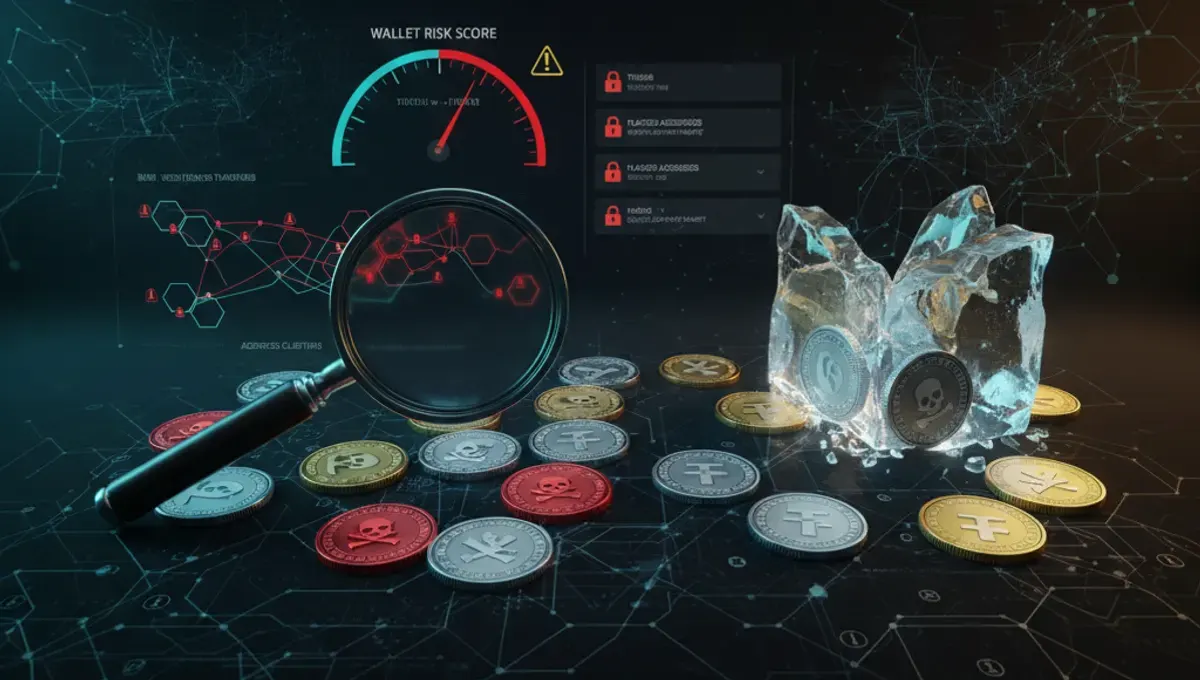
KYT (Know Your Transaction) is an ongoing monitoring system that tracks cryptocurrency movements across blockchains. It examines transaction history, wallet behavior, and fund sources to assign risk scores and flag suspicious patterns. KYT crypto differs from static identity checks; it continuously screens transactions as they occur, comparing addresses against sanctions databases, darknet market lists, and known theft records. Blockchain analytics firms use machine learning to identify mixing activity, sudden fund concentration, and rapid transfers to high-risk jurisdictions. KYT meaning in crypto compliance centers on real-time detection rather than one-time verification, making it critical for exchanges that must comply with anti-money laundering (AML) regulations and prevent the circulation of dirty crypto.
How KYT Blockchain Monitoring Works
KYT blockchain systems operate by analyzing on-chain data in real time. When a transaction is broadcast, the system checks the sending and receiving addresses against multiple data sources: sanctions lists (OFAC), known darknet market wallets, theft databases, and behavioral risk models. Each address receives a risk score based on transaction history, fund age, mixing patterns, and cluster associations. If a wallet has received coins from a mixer or gambling platform, the risk score increases. The system also tracks fund velocity—how quickly coins move between addresses—and geographic patterns. Exchanges and custodians integrate KYT APIs to screen deposits and withdrawals automatically. This continuous monitoring ensures that tainted coins are flagged before they settle, reducing regulatory exposure and protecting institutional reputation.
KYT vs. KYC: Key Differences in Crypto Compliance
KYC (Know Your Customer) and KYT serve different compliance functions. KYC is a one-time identity verification process: users submit documents, and exchanges confirm their legal identity before account creation. KYT, by contrast, monitors transactions continuously after the account is active. KYC answers 'who is this person,' while KYT answers 'where did these coins come from and where are they going.' A user can pass KYC but later receive flagged USDT or BTC from a sanctioned entity, triggering KYT alerts. Many exchanges require both: KYC at signup and KYT on every deposit and withdrawal. Understanding crypto kyc meaning alongside KYT helps clarify why compliance requires layered screening. KYT catches risks that KYC alone cannot detect, such as stolen funds or mixer-tainted coins entering an account months after verification.
Common Risk Flags in KYT Crypto Screening
KYT systems flag transactions based on predefined risk categories. High-risk sources include: darknet markets (Silk Road successor sites, ransomware payment addresses), coin mixers and tumblers (services designed to obscure transaction history), stolen funds (wallets linked to exchange hacks or theft reports), sanctioned entities (OFAC-listed individuals and organizations), gambling platforms (some jurisdictions classify these as high-risk), and rapid fund concentration (sudden accumulation of coins from multiple sources). Medium-risk flags include newly created wallets with no transaction history, rapid transfers across multiple blockchains, and addresses associated with scam reports. Low-risk activity includes long-held coins, transfers from known exchanges, and stable holding patterns. When a wallet receives tainted coins—even a small amount—the entire balance may be flagged. This is why checking a TRX or USDT address before accepting payment is critical; receiving dirty crypto can result in frozen accounts and regulatory scrutiny.
How to Check a Crypto Address for KYT Risk Before Receiving Payment
Before accepting USDT, TRX, BTC, or ETH, verify the sender's wallet using an AML check service. Step-by-step process:
- Obtain the sender's wallet address.
- Visit a trusted AML screening platform—check our curated list of verified AML services on this site for reliable options.
- Enter the address and select the blockchain (Tron for TRX, Ethereum for USDT, Bitcoin for BTC).
- Review the risk score: green (low risk, safe to accept), yellow (medium risk, investigate further), red (high risk, reject or escalate).
- Check the detailed report for specific flags: mixer exposure, darknet links, theft records, or sanctions hits.
- If flagged, ask the sender for an alternative address or decline the transaction. Acceptable risk thresholds depend on your jurisdiction and counterparty: exchanges typically reject red-flagged coins, while peer-to-peer traders may accept yellow if the sender explains the history. Always screen before settlement to avoid receiving frozen USDT or tainted coins that exchanges will later reject.
What Happens When Coins Are Flagged as Tainted
When an AML check flags coins as tainted or dirty crypto, several consequences follow. Exchanges may freeze the deposit pending investigation, delaying or preventing withdrawal. If the coins are linked to theft or sanctions, the exchange is legally required to report the transaction and may permanently ban the account. Custodians holding flagged USDT or BTC face regulatory penalties and reputational damage. In some cases, law enforcement may seize the funds. Even if you received the coins unknowingly, possession of tainted crypto can trigger compliance holds. The risk extends across blockchains: a flagged TRX address may taint subsequent USDT transfers. To protect yourself, screen all incoming payments before acceptance, maintain clear records of fund sources, and use exchanges that provide transparent AML reporting. If you accidentally receive flagged coins, contact the exchange immediately and document the transaction history; cooperation may reduce penalties.
Why KYT Crypto Meaning Matters for Compliance and Risk Management
Understanding KYT crypto meaning is essential for anyone handling cryptocurrency professionally or at scale. Regulators expect exchanges and custodians to implement transaction monitoring; failure to do so results in fines, license revocation, and criminal liability. For individual traders and businesses, KYT screening prevents accidental involvement in money laundering, sanctions violations, and theft. A single transaction with tainted coins can freeze your account indefinitely. Blockchain is permanent: once a coin is linked to a darknet market or mixer, that history persists. KYT systems are designed to break the chain of dirty crypto circulation. By screening addresses before accepting payment and using verified AML services, you reduce legal risk, protect your reputation, and ensure compliance with local regulations. The cost of a single AML check is negligible compared to the cost of a frozen account or regulatory investigation.
Frequently asked questions
What does KYT stand for in crypto
KYT stands for Know Your Transaction. It is a continuous monitoring system that tracks cryptocurrency transfers to detect suspicious activity, tainted coins, darknet exposure, and sanctions violations. Unlike KYC (Know Your Customer), which verifies identity once, KYT screens every transaction in real time across blockchains.
Is KYT the same as AML check crypto
KYT is one component of AML (Anti-Money Laundering) compliance. AML checks include KYC identity verification and KYT transaction monitoring. KYT specifically focuses on ongoing screening of fund sources and transaction patterns, while AML encompasses the entire compliance framework. Both are required by regulators.
How do I check if a crypto address has KYT risk
Use an AML screening service to check any address. Enter the wallet address and blockchain type (TRX, USDT, BTC, ETH), and the service returns a risk score and detailed report. Check our verified AML services list for trusted platforms. Green scores indicate low risk; yellow and red require investigation or rejection.
What happens if I receive tainted coins flagged by KYT
Exchanges may freeze your account pending investigation. If coins are linked to theft or sanctions, your account may be permanently banned and funds seized. Regulators may investigate your transaction. To avoid this, screen all incoming payments before acceptance using a trusted AML check service.
Why is KYT blockchain monitoring important for exchanges
Regulators require exchanges to implement transaction monitoring to prevent money laundering and sanctions violations. KYT systems automatically flag suspicious activity, protecting the exchange from fines, license revocation, and criminal liability. It also prevents dirty crypto from circulating and protects customer accounts from frozen funds.